

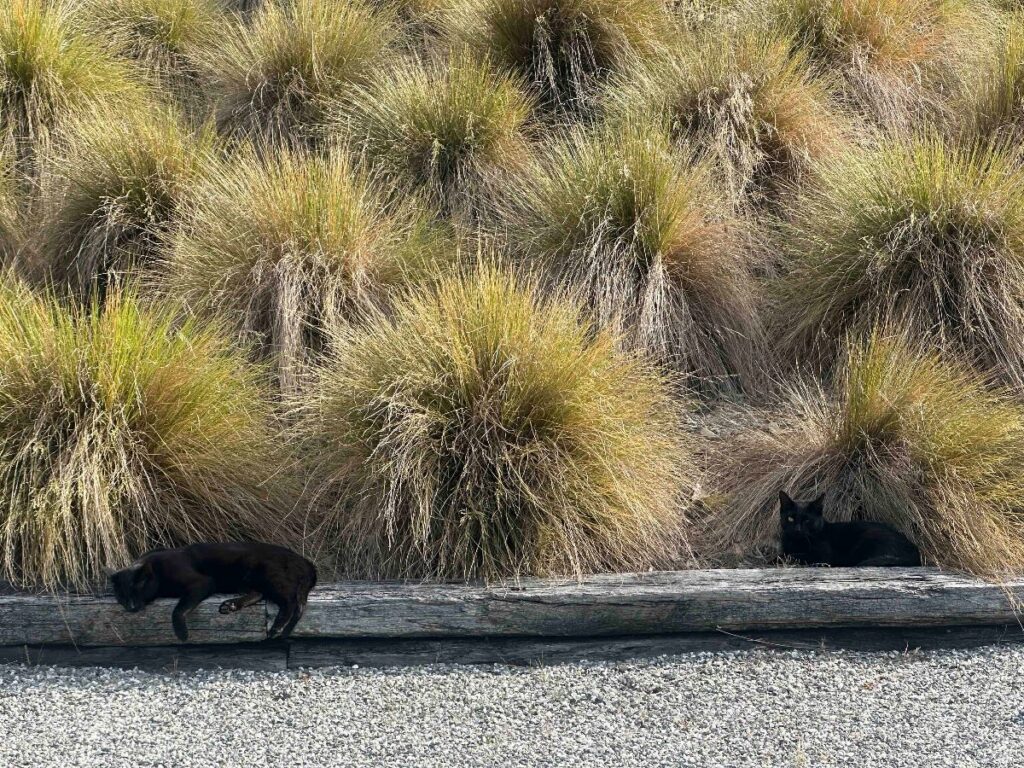
Luna asking why her food is limited
There are limits to materials and limits to life…this week I’ve been thinking about how we deal with existential crises at the same time as personal crises. Both are important but it’s easy to let one overwhelm the other.
My thoughts have been occupied by our cat Luna, who we had to help die. I deliberated how to describe this process. Society currently uses words that disappear the hard reality of death. I don’t like ‘passing away’. If you tell me someone has ‘passed away’, please don’t be surprised when I reply, “They died?” Dying is what happens. It’s not a nice thing, it’s tough to deal with for all to involved. Let’s be tough and acknowledge the reality.
The vet clinic where Luna was examined sent us an email after her massive kidney tumour was diagnosed. After talking with the vet, I expected an email that laid out the diagnosis and the choices to be made given that diagnosis which, based on our discussion with the vet, were pretty much wait a bit, or don’t wait, to help your cat die. I also expected to get information about the process of medically helping a cat to die. Instead I got a generic email which told me about ‘final rest’ services, cremation options including urns, Reterniti Stones following a cremation, clinic burials, and the prices of all these things.
We ended up chasing the clinic to find out what the actual process is for helping your cat to die at home. They send two people…to a cat who was tamed painstakingly from being a wild kitten and remains nervous of strangers though very loving of her home owners. We worked through this to conclude only the vet has to be in the room to give a subcutaneous injection containing a sedative, then a nurse comes after the cat is sedated to insert an IV line through which an overdose of anaesthetic will be administered . That was what I wanted to know. How come I wasn’t sent a communication with the real stuff rather than the marketing material?
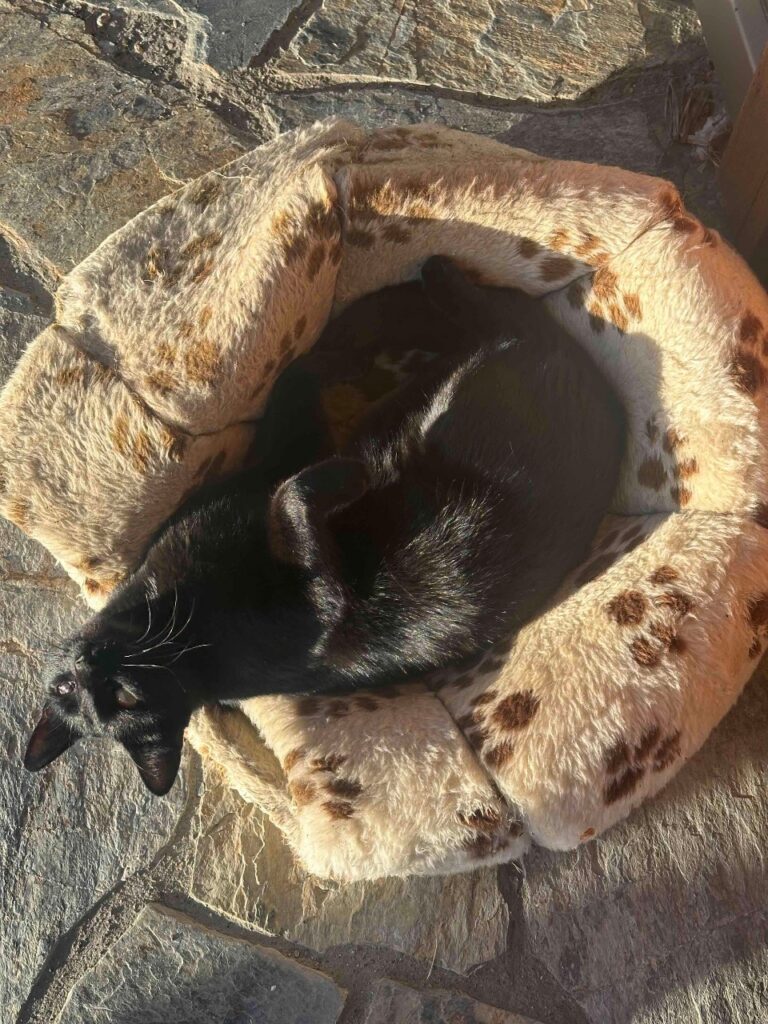
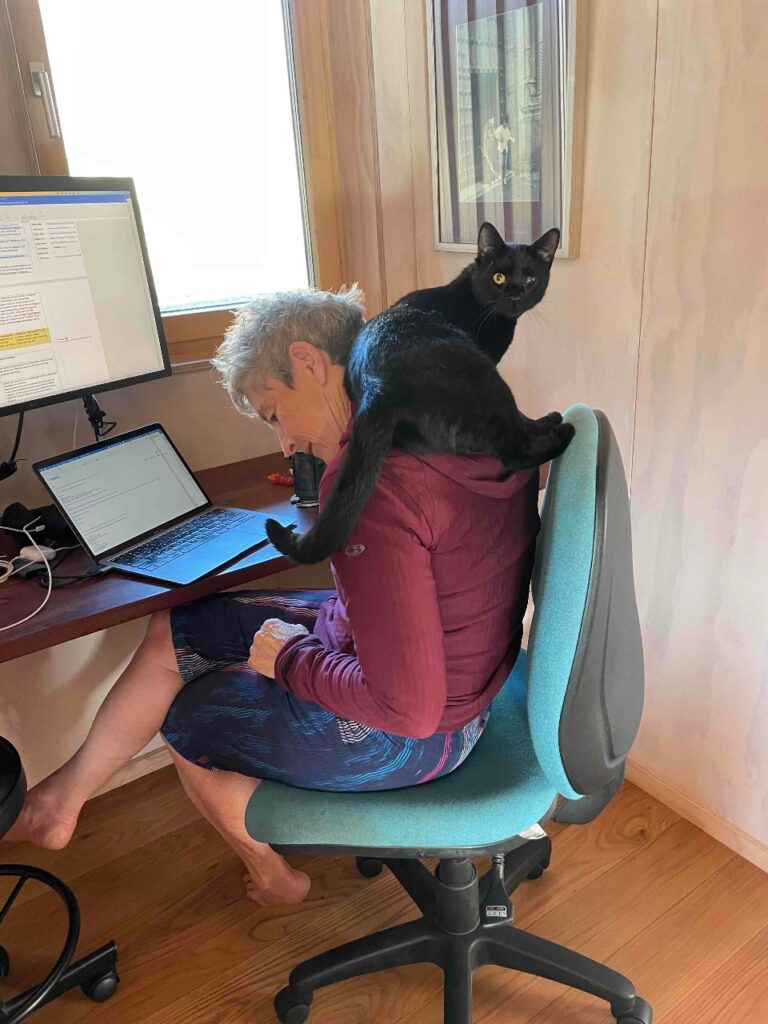
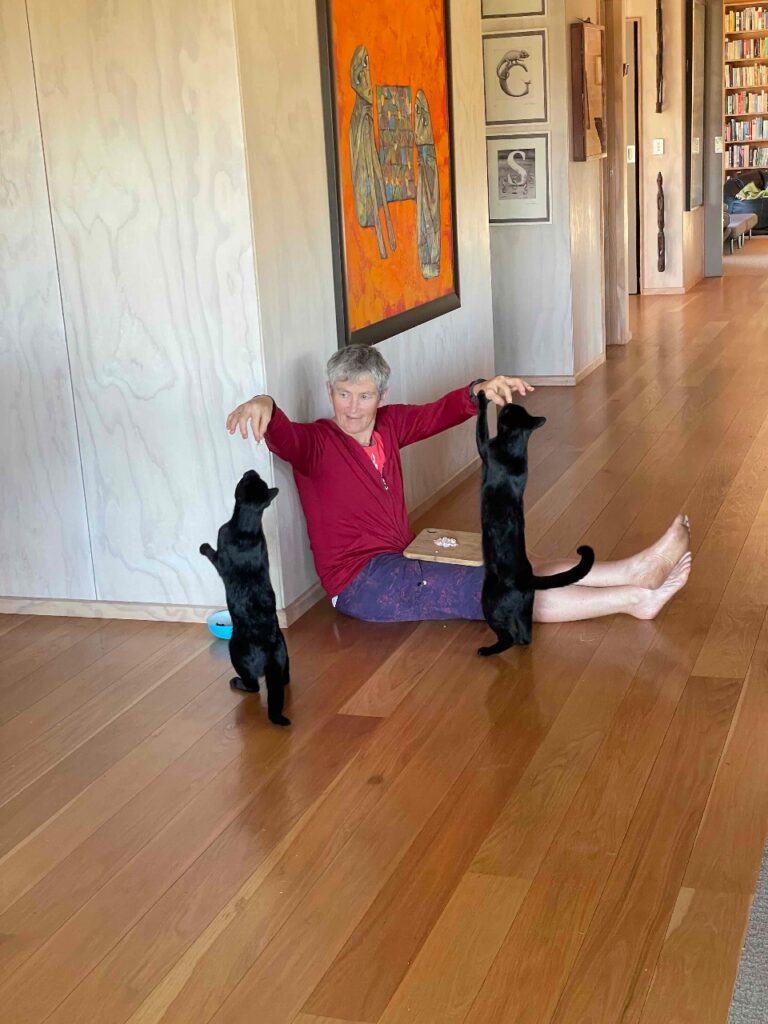
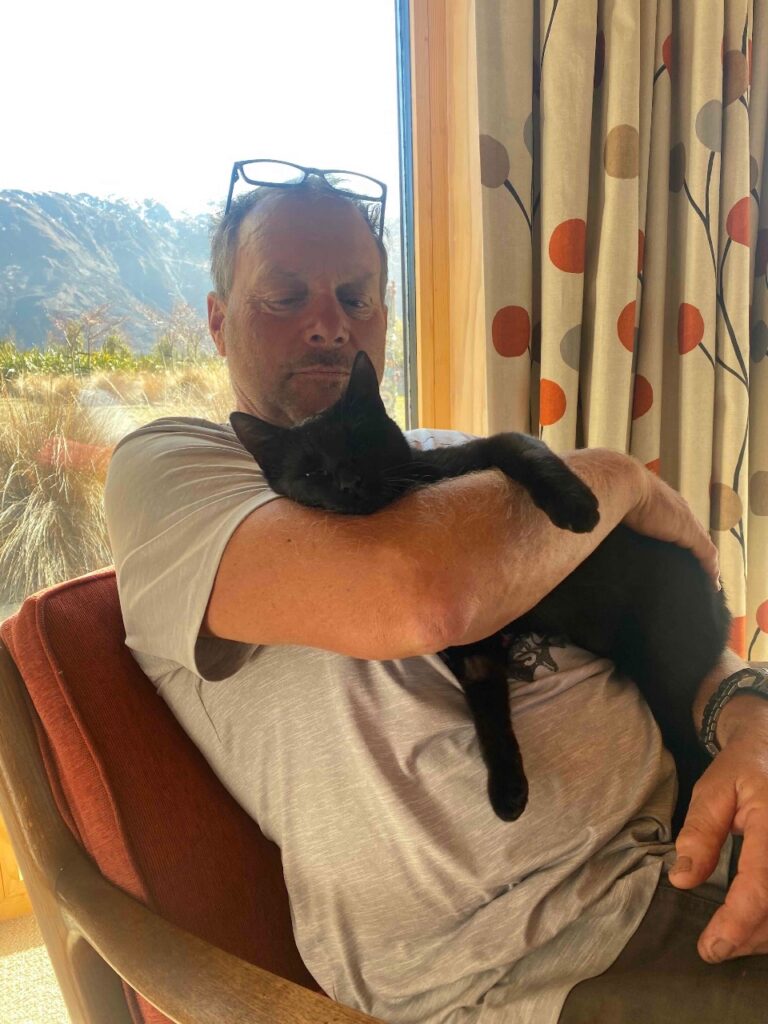
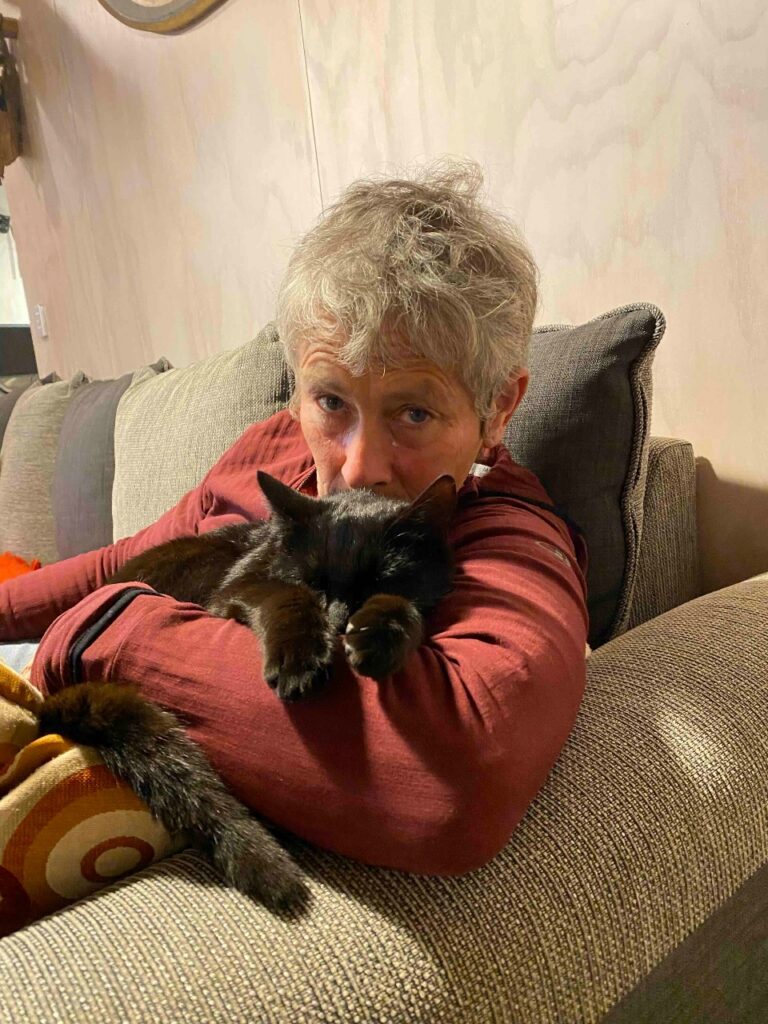
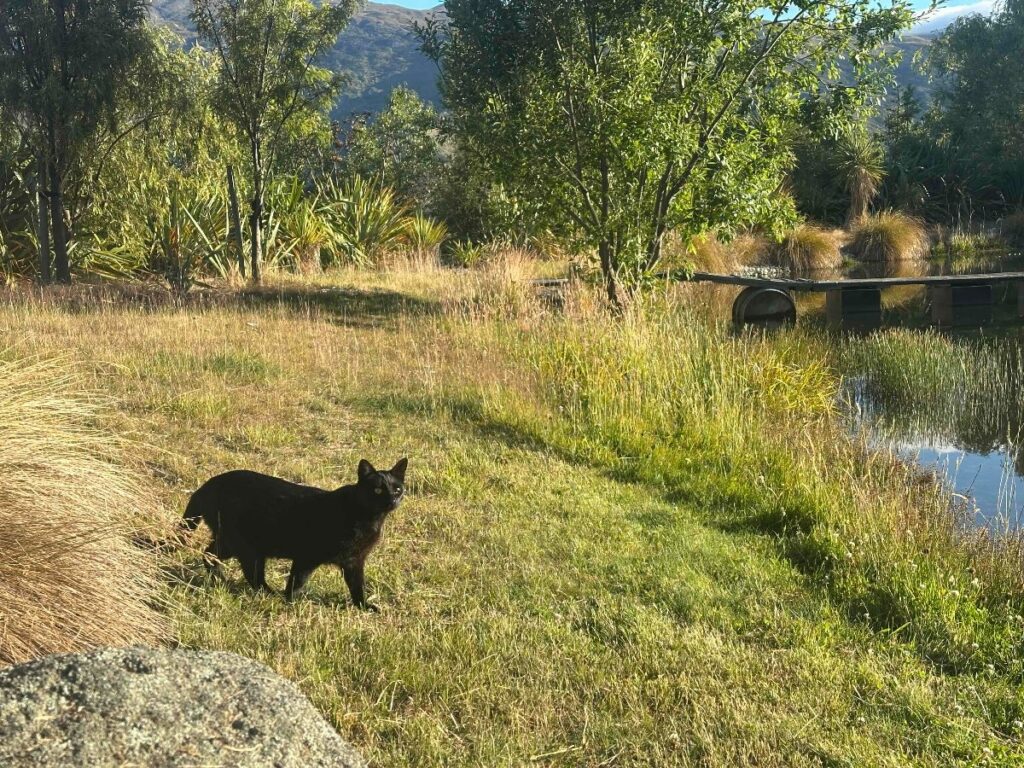
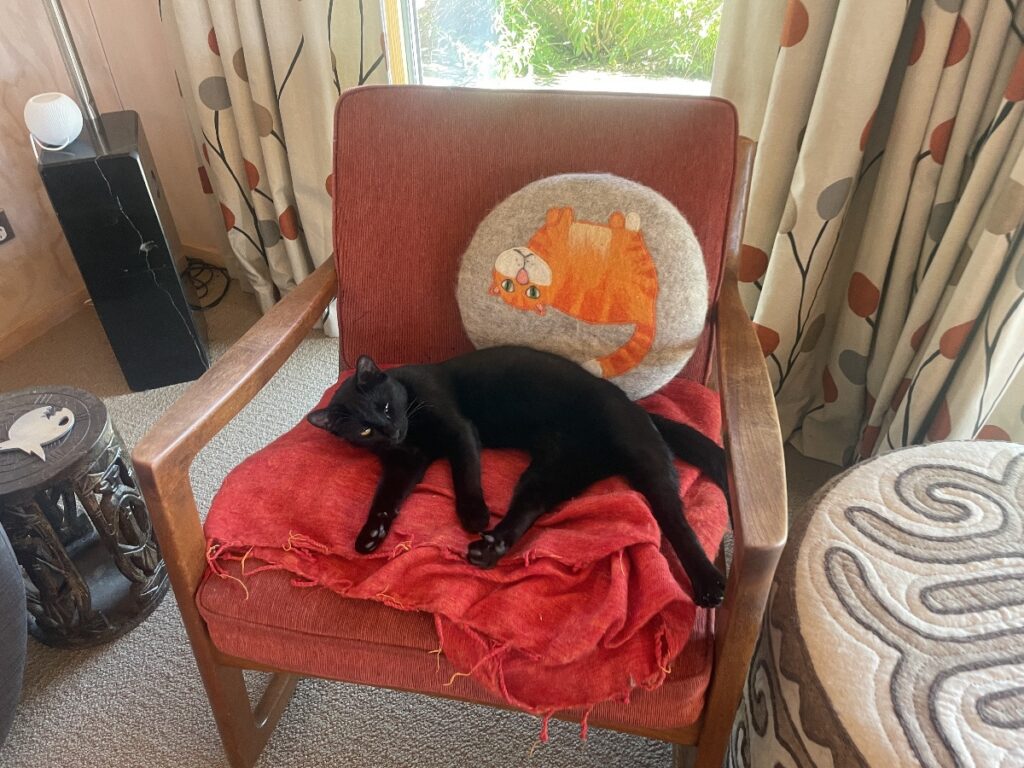
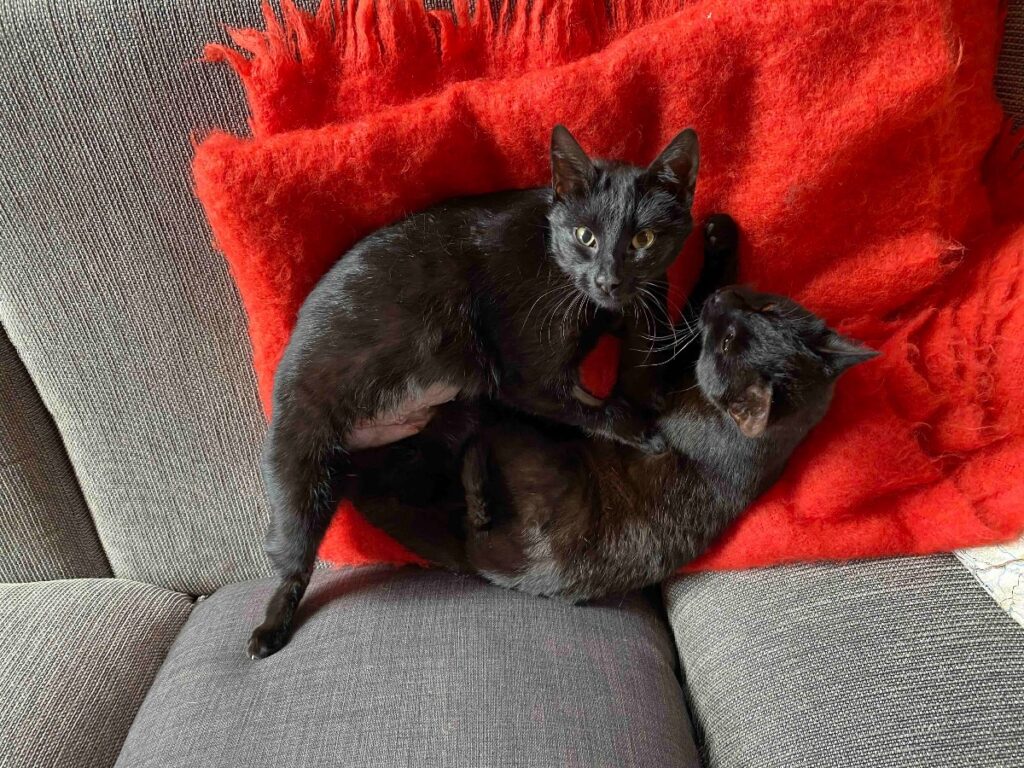
So here I say, “Goodbye, Luna,” because that’s what this week has really been about. You were a great cat for the four years you lived with us, even if visitors rarely got to see your personality. You loved me and Chris and Franco and we loved you back. I’ll miss your welcoming howl when we return from a trip, and you hurling yourself across my shoulders while I work on the computer. Your sister Tui is missing you too, though she’d rather hiss than admit it if asked. Thank you, Luna, for the time you gave us and the relationship we shared.
And then…what this week has also been about is whether the New Zealand government should be proposing a $1 billion LNG import facility. “What,” you say, “you switched that fast from your cat dying to New Zealand’s energy solutions?” Yes, I did. Because the state of New Zealand’s energy systems, material availability and economy are the big picture items occupying my thoughts. And strategic thoughts are a welcome relief from crying about your cat’s death.
Media and social media commentary about the LNG plant asks whether it’s a fools move to invest so much money in fossil fuels, and imported fossil fuels, rather than increase New Zealand’s self reliance by increasing our supplies of ‘renewable’ energy. Before we look at this problem, let’s remember ‘renewable’ energy is only renewable at the energy level, not at the system level. ‘Renewable’ systems require all sorts of materials with finite limits, because we live on a finite planet with finite materials. This is another example of obfuscatory language of giving us the wrong impression, like ‘sustainable’ use of minerals. There is no ‘sustainable’ use – eventually our mineral supply will run out unless our use slows to the rate of geological renewal (very slow indeed). The way humans use minerals is only about faster or slower, nothing sustainable in the mix.
Back to the choice between LNG and renewables…is it a choice? If you want an excellent summary of why the government had little choice but to import LNG have a read of the NZ Energy Substack – excellent, well researched articles on the NZ energy situation. While the government has chosen a media approach based on LNG assuring supply of electricity, actually the choice is more about our industries requiring thermal energy, who can’t escape the need for fossil fuel at a rate equivalent to the speed at which our gas supplies are declining (unexpectedly and frighteningly fast). The electricity side of the LNG equation seems like a justifier which is not well justified. It might well be a better choice to invest $1 billion dollars in new forms of electricity generation to reduce the critical gap between production and supply in years when the hydroelectric station lakes are low.
On the thermal use of gas front, Fonterra is a big commercial gas user. They have had a plan for at least the last fifteen years about how they will move to deliver their thermal energy needs (removing 90% water from milk to leave 10% milk solids) from fossil fuels (coal and gas) to electric boilers. They have slowly been changing boilers over, at huge capital cost therefore at the rate they can afford to. There’s also the little problem of lack of electricity when major users swap fuel sources…the high prices of energy in New Zealand are related to us having an electricity undersupply rather than oversupply. This can be rectified but, again, not overnight.
A friend suggested that industries who need fossil fuels and haven’t already swapped to electricity ought to just die. That may be the case, but is he, or New Zealand in general, prepared for 25% of export earnings and 3.1 of GDP to drop out of our economy if Fonterra collapsed? Then there’s Glenbrook Steel (goodbye NZ iron refining?) , all the greenhouses using heat to ripen crops, wood processors. The same people who’d like to see the ‘wrong’ industries die would also like to see government pay for healthcare, and education, and transition to cleaner energy sources. There’s a choice – how do we pay for what we want if our industries decline (as they are already doing). I wonder why the government didn’t put this argument, rather than their spurious prop-up-the-electricity-supply-in-dry-years argument?
In conclusion, there are limits to everything and we don’t want to see those limits. Death is hard to contemplate so we try to get around seeing it by using words other than ‘death’. The end of a local energy source, gas, is hard to contemplate. We rail against it, never thinking we might have to make do with less but instead demanding to know where the ‘more’ is going to come from while using language that steps away from the reality. There’s a reason 1984 was my all time favourite book as a young person. In the 1984 world, government controls language to control thought on the basis humans can only imagine what they can think about and (for most people) language is the way we think. There’s something to think about…




Discover more from Jane Shearer
Subscribe to get the latest posts sent to your email.


2 thoughts on “Limits to Everything”
Very sorry to hear about the death of Luna xx
Losing a close pet is very hard. We had to let our dog Theo go in November, and still miss him every day. It’s that quotidian, organic link with a special pet that makes it so hard to lose. Condolences!