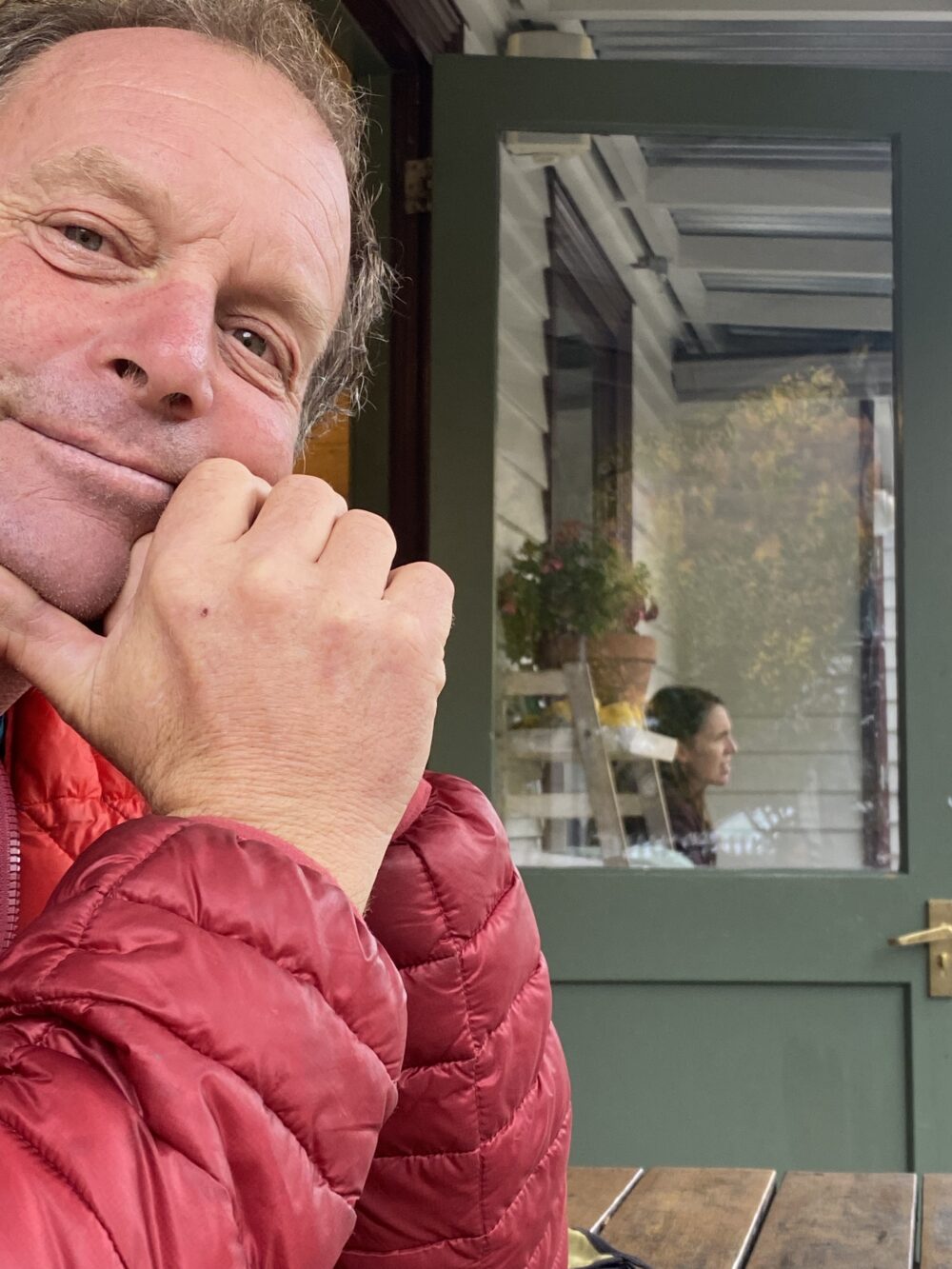
So NZ – having a coffee next to the Prime Minister in Arrowtown in 2021
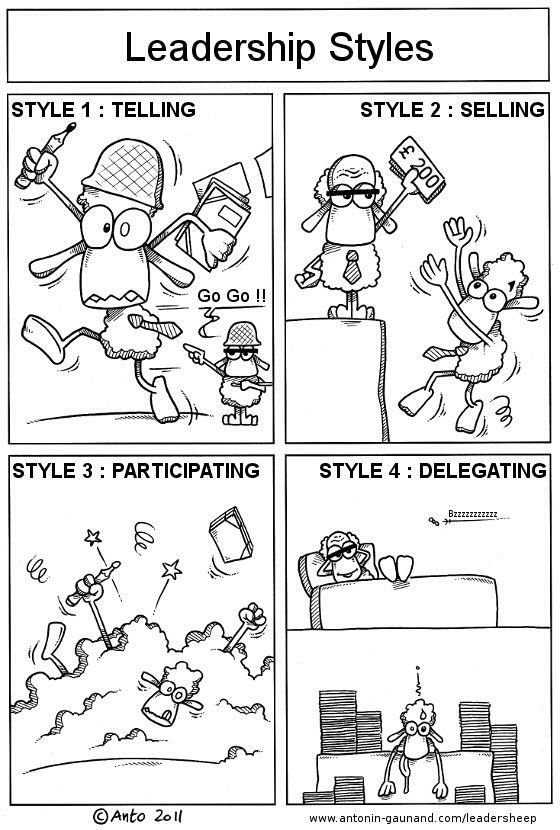
I watched Prime Minister, the Jacinda Ardern documentary, on the plane to Europe. It took me back to twenty-seven years ago (can it really be that long?) when I went on a leadership course, courtesy of the University of Canterbury. That was back in the days when I thought I wanted to be a CEO; when I still mistook seniority for freedom. However, the course content has stuck with me because it was such a vivid depiction of styles of leadership.
We were randomly assigned to one of four groups. A leader was chosen for each group and given a play sheet from which to run the group. We had the task of making a handbag and belt out of sheets of paper, cloth, ribbons and sellotape. I lasted about two minutes in my group because I questioned the instructions. Questioning the instructions was, in this group, cause for eviction (I had an autocratic leader).
Once I was group-free, the instructor told me to check out the other three groups and ask whichever one I preferred if I could join. One group was very welcoming but their handbag wasn’t looking very good. Another group had split in three, were arguing over the supplies and didn’t pay any attention to me. The third group greeted me, though not as effusively as the welcoming group, and was well advanced on a tidy looking handbag. I asked to join that group.
The group I joined made the best handbag and belt (in my opinion, at least) as well as making an additional hat and shoes. The leader’s instructions were performance-focused. In contrast, the group that invited me in was focused on kindness and inclusivity and the group that didn’t pay attention to me had a laissez-faire leader. There’s no one way to lead and there’s no single right answer to what are the best outcomes from leadership, as life is more complex than making handbags and belts (if I had my way, no one would be making handbags). What everyone really wants is to be in a group that matches their style.
Prime Minister is a great depiction of a very human leader. It correlates with my experience of Jacinda the single time I interacted with her close-up – someone who didn’t aspire to be a leader but genuinely aspired to do good through politics. The movie also contrasted with related social media posts I have seen, where people (once again) vilify and abuse Jacinda, including pointing out how unkind her actions were during the COVID pandemic. These comments parallel discussions I’ve had with a friend who named Jacinda’s actions during COVID as evil and completely at odds with her ‘kindness’ mantra.
Of course people differ in their opinions of leaders. But how do you get to such polar divides? The friend who sees Jacinda as evil, considers Trump the better person. Trump? Really? Someone who uses the Presidential office as a way to make himself richer, incites people to overthrow the government of his country and boasts about exterminating Iranians?
Some people think Jacinda’s public statements about caring for people are fake, she’s not really about kindness or empathy. If that’s true, I’d say Jacinda is one of the best actors out there. She should go to Hollywood, not Sydney (she’s now copping flak for moving from the US to Oz, rather than back to New Zealand)! Jacinda maintained that kindness ‘facade’ beautifully throughout the epidemic, on television, and in the film footage taken by her partner at all sorts of inopportune moments. What particularly impressed me was how nicely she told Clarke she didn’t want to answer his questions when he adopted a pig-dog interviewer approach, asking the same thing over and over again.
I think the answer to the kindness dilemma is simpler than continuous acting. The same action will seem kind to some people and unkind to others. What one person sees as a kind act e.g. trying to prevent deaths through a 3 month city lockdown, someone else sees as an unbearable breach of freedoms at a time when relatively few people are dying of a disease. We all like different types of pizza – with the best will in the world, a chef probably can’t come up with sufficient pizza offerings that every person who walks through the restaurant door will be happy. We all like different leadership styles; no one leader will suit everyone.
Also, leaders are judged on the values they personally espouse. So Jacinda is seen as fair game to criticise on whether she was kind or not. No one appears to be criticising Trump on the basis of whether he is kind or empathetic. In fact, his apparent value-free strategy could be a winner. If you don’t stand for anything in particular, there’s nothing you can be criticised for.
Finally, empathetic leadership may not be a long-term leadership style. If you care, you will get worn down. Particularly if you lead through multiple crises like a major terrorist attack killing 50 worshippers, a volcanic eruption hitting a tourist boat, and then a global pandemic. If empathetic leadership is only for the short time, then Winston Peters would then be the archetype of not caring, or maybe the not-caring prize should be given to someone more prominent like Putin. Peters and Putin aren’t worn down by their job, they love it!
Is the corollary then that the most desirable leaders are those who care because they won’t overstay their welcome? There’s a truism that the best leader is one who doesn’t want to lead. Jacinda, or Trump. Who’d you rather have running your world, despite their human failings?
Discover more from Jane Shearer
Subscribe to get the latest posts sent to your email.