
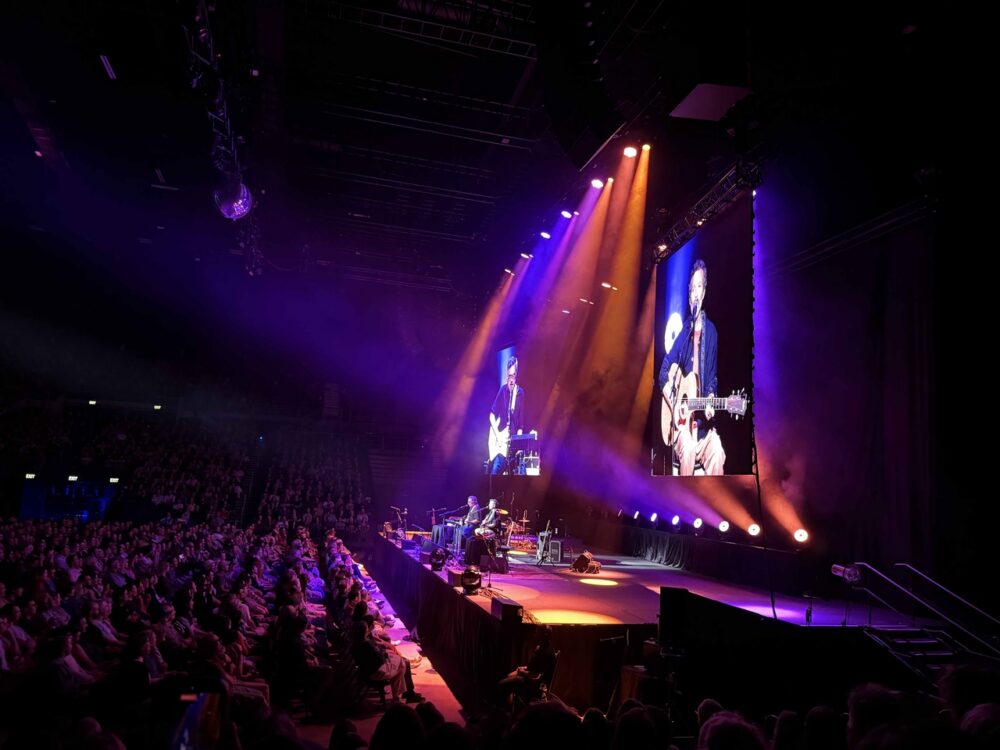
Flight of the Conchords in Christchurch – nothing to do with anything other than having a great time at a great concert performed by a great New Zealand band
I got put down big time on a LinkedIn post this week. A scientist and science commentator posted concerns about the New Zealand science reforms. I share their concerns about the process of reform and the impacts on scientists. However, I’m less convinced the loss of innovation will be particularly bad for our economy and this is where most of the outcry is directed – “Without scientists and innovators our economy will not expand the way we want it to.”
To me, there are many problems with this statement, including:
- the problem of infinite economic expansion on a finite planet;
- whether energy availability plays a much bigger role in the size of economies than anything else;
- why innovation hasn’t yet ‘saved’ our economy given we massively revised the innovation system 30 years ago with exactly the goal of saving the economy in mind.
So I replied to the post and got told, “I’ll leave you to spill thoughts into your blog. Maybe you’ll figure this stuff out eventually.”
I felt rage. Then I thought, isn’t it crazy how much someone’s comment can affect you, when you have never met them and likely never will? I feel like I have a considered position developed over decades of exposure and thinking in this field of endeavour. Then a person, who I had previously respected and thought interesting to engage with, dismisses me in a sentence. I managed to box in my rage to respond – “It’s a pity you’d rather dismiss than discuss.”
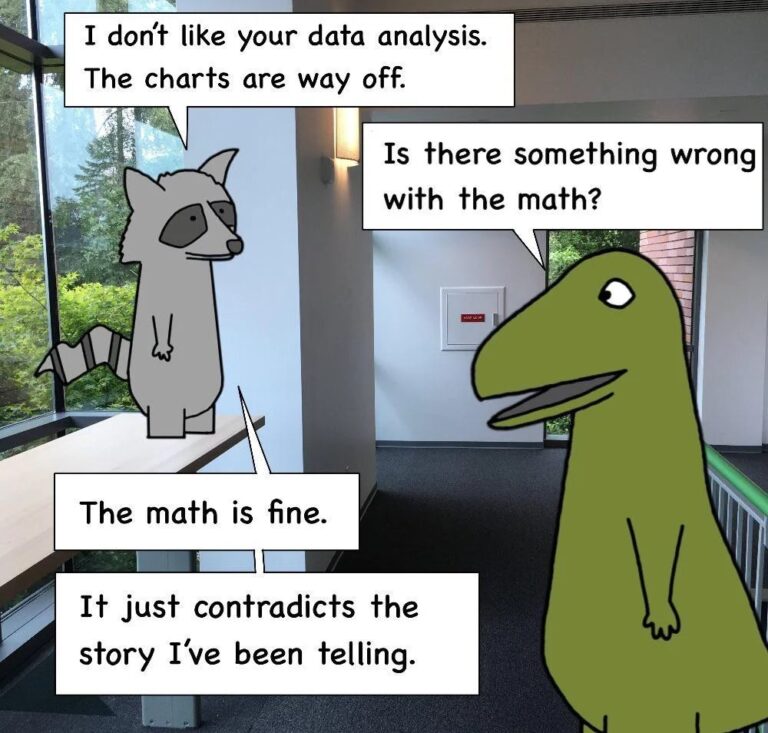
This led me to thinking about the tendency for people to go on the attack when you point out a lack of logic in their position. Rather than seek where logic lies, they stick to their beliefs and defend them with emotion. I have to reluctantly admit to the logic in this behaviour pattern – our beliefs are based on many things, including but not limited to logic. If someone’s belief structure is threatened, an emotional defense is just as likely as a logical one. I also feel society is currently so unsettled, emotional reactions are more likely than logical ones.
Another topic where I’ve recently failed to convince people about the logical approach, is conservation. A science and technology trust I’m on was considering applications for funding. One application was about a particular frog introduced to New Zealand in 1875 and which is now widespread. The applicants want to investigating the impact of the introduced species, considering it an ‘invasion’.
As a geologist, it seems to me movement of species, and evolution of ecosystems in response, is a multi-billion year process that has led to the planetary setup we see at this point in time. It makes no more sense to consider a species an ‘invader’ because it arrived in 1875, than if it had arrived in 1711, 1062, or 2000BC. At which point in time were these animals ‘natural’ rather than ‘invaders’? When I ask people which date of arrival in New Zealand would make an animal ‘okay’, they can’t tell me, often get annoyed, then accuse me of being ‘anti-conservation’. In the case of the Trust, no one said I was out to lunch (maybe because I’m the Chair…a bad reason!) but no one could tell me how to separate ‘natural’ from ‘invasion’.
One line of argument for natural vs invasion could be the mode of introduction – this frog was brought by humans. But is this relevant? Why would an animal be an ‘invader’ if it arrived via human intervention rather than floating here on a log? We are part of ‘nature’ too (although the dichotomy in which we separate ourselves from nature is fundamental to many of the environmental problems we currently face). And how about the new insects we know blow in from Australia in atmospheric rivers. Are they natural? Or are they invaders if we consider the atmospheric river was the result of human-induced climate change?
In New Zealand, we expend huge efforts to return our ecosystems to a somewhat nebulous point in time approximating the arrival of European settlers, without directly saying so. The kiore, introduced by Māori, is a particularly interesting case as sometimes we eradicate it as a problem rat, while at other times it is protected as a taonga, special to particular iwi. What humans do may, or may not, be admirable. But I’m not convinced it is logical.
A related endeavour that appears even less logical is the concept of ‘bringing back’ extinct species such as the dire wolf, moa, Tasmanian devil, orwoolly mammoths. The company Colossal claims to have de-extincted the dire wolf, by editing grey wolf genes to make them similar to the fragments of DNA of the dire wolf that have been found. Does this make logical sense? For a start, the species isn’t going to fit into current ecosystems so likely won’t survive beyond a zoo. And if the de-extincted animals do survive, they will likely change the balance of current ecosystems such that other species may no longer fit. Not to mention, why would we put so much effort into ‘bringing back’ individual extinct species while existing species wink out? Because we can?
Logic is such a small part of the picture. So why do I keep pushing it? Maybe because I am one of the logic-driven species, scientists…soon to be extinct?



Discover more from Jane Shearer
Subscribe to get the latest posts sent to your email.



One thought on “Dismiss or discuss?”
The easiest/weakest form of argument is the ad hominem attack. Absolutely invalid. Tells one a lot about the person – perhaps that they’re insecure in their pronouncements and unwilling to critically evaluate them. Obscenely arrogant to presume to have sorted everything but without evidence.
Good work Jane.