
An unrelated photo of a Chatham Island forget-me-not because finally I have managed to grow one and get it to flower
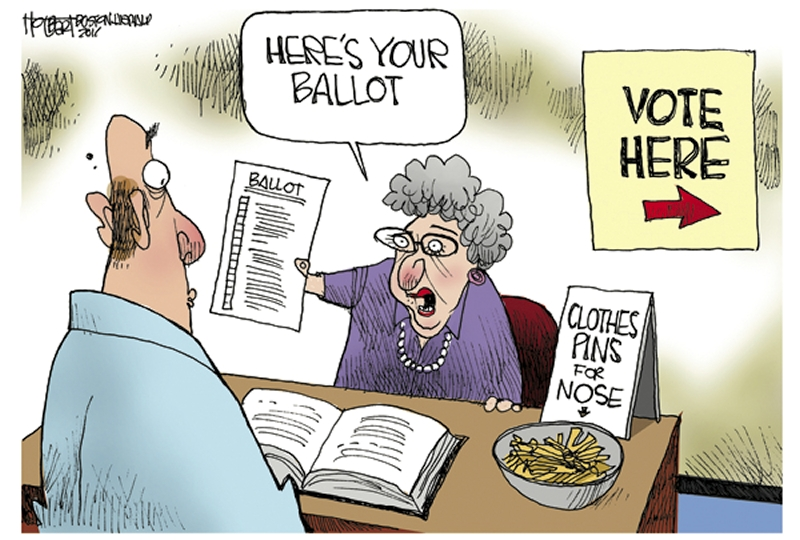
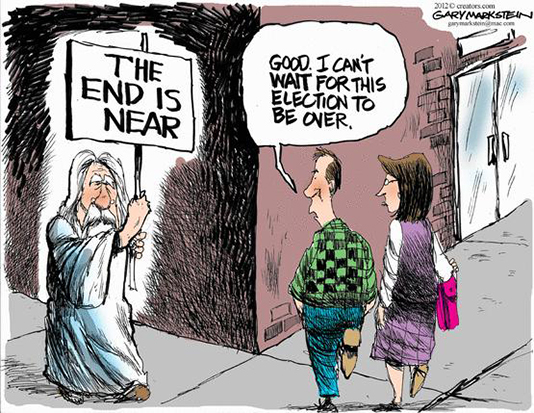
Who are you going to vote for in the upcoming New Zealand election?
It’s been the main question on the table at every recent get together with friends. Many of our friends are in a similar demographic, so it’s not surprising the conversations are largely similar with the most common rejoinder being:
“I have no idea.”
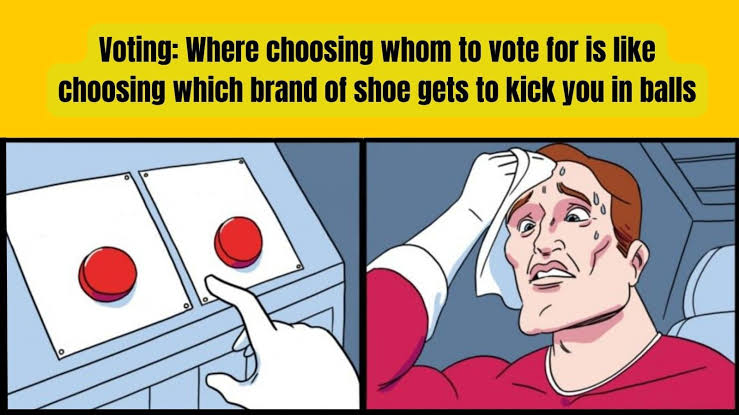
I wonder if the question is easily answered if your values are more strongly aligned with right wing policies. I can’t say because I don’t know enough people in that category. However, for people who see society and environment as of core importance, it feels like there are few good choices.
The most interesting conversation I’ve had was with a Chinese woman who asked me, “How do you decide who to vote for? The party who will benefit you the most?” I should add, she also said, “In China we don’t talk about politics because it’s not a safe conversation. New Zealanders talk about politics so much!”
My response was, “I vote for the party I think will do the most good for New Zealand, not the party that will do the most good for me.” Then I wondered why I do that. And whether most people do that. I have a sneaking suspicion that people who vote based on high level societal goals are in the minority. I do it because that’s what my family did. And because that’s how I try to live my life, thinking about the big picture.
However, if most people vote based on what will directly benefit them, what does my vote do? And what does my vote do at all because it’s only one of the millions of votes cast, it’s unlikely to make a critical difference. And why do I even think my vote will have an impact on our country given I don’t believe governments have much control over our globally connected economy which is being knocked for six by global pressures, or our globally connected environment which is being impacted by the actions of every country in the world. And why do I vote given I’m no longer completely convinced about democracy as the only good way to govern a country…when I compare general welfare of the population in Singapore with that in the United States, benign dictatorship looks to have have plenty of upsides. “Stop!” I tell myself. This way of thinking leads to madness, or at least to not voting, like around half of young eligible voters who aren’t bothering to enrol in New Zealand.
Voting as a rational (or irrational) activity has been studied by psychologists and sociologists. They have identified a range of psychological explanations for why people vote:
- Selfishness: to enhance our own wellbeing by having a government that maximises our benefits.
- Personal duty: internal validation via acting in harmony with our ideals. Yes, I reconise that one!
- Altruism: taking action to benefit others. Yes, I recognise that one too in my desire to vote based on what will maximise benefit for society.
- Belonging & social approval: voting is a behaviour that connects us to social groups such as families and neighbours, and to causes of candidates, parties or nations. And we may cast our vote to generally earn goodwill or approval from others (vote to be seen as doing the right thing) or specifically to align ourselves with others. While I’d like to think I’m not influenced by my friend network in my voting choices…I think that would be kidding myself. The ideas we are surrounded by shape our own ideas.
In addition, social scientists have developed models of voting behaviour – how we choose who we vote for:
- Socio-structural model: where political opinions are largely shaped by group affiliations and social networks rather than individual reasoning.
- Party identification model: where people develop a long-term psychological attachment to a political party, much like loyalty to a social group. This identification is often inherited from family and reinforced by community norms. I recognise this…I had a long attachment to the Labour Party which has been well and truly smashed over the last couple of election cycles. In a way, I’m grateful to the Labour Party for so being so completely pathetic it’s freed my thinking up.
- Rational choice model: individuals weigh costs and benefits of party’s policies within their social constraints.
All these models apply to voting behaviour in particular cases rather than being all-encompassing. Our reasons for voting at all, and who we vote for, are generally a mixture of reasons. Here’s the voting rationale framework I found that I most resonate with: voting as as a significant individual and collective act of meaning-making in a democratic society (society being a community of independent individuals who live together in an organised way).
Through voting we express preference and belonging. The act of voting ties individuals to communities, traditions and visions of the future. As, or more, importantly, the process of voting leads to the discussions we are all having around dinner tables, in pubs, at the footie, in tramping huts. These discussions are a core part of being a society. Events that trigger us to communicate about our values, preferences and hopes are a critical part of how we remain connected and move forward in our collective thinking.
I still don’t know who I’m going to vote for, though.

Discover more from Jane Shearer
Subscribe to get the latest posts sent to your email.