
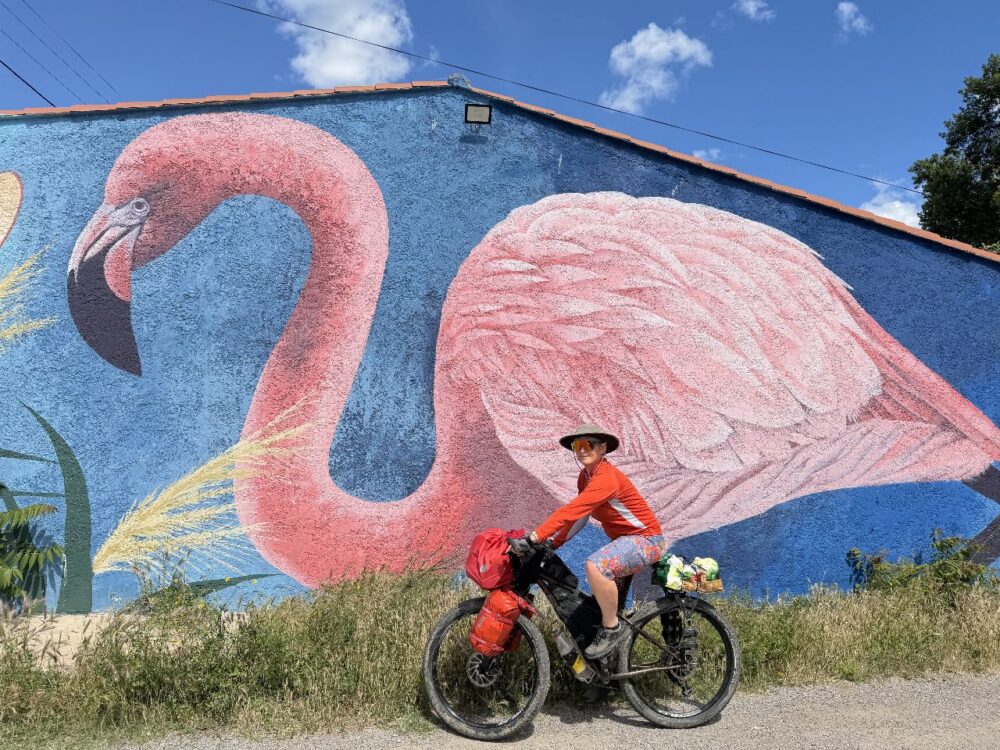
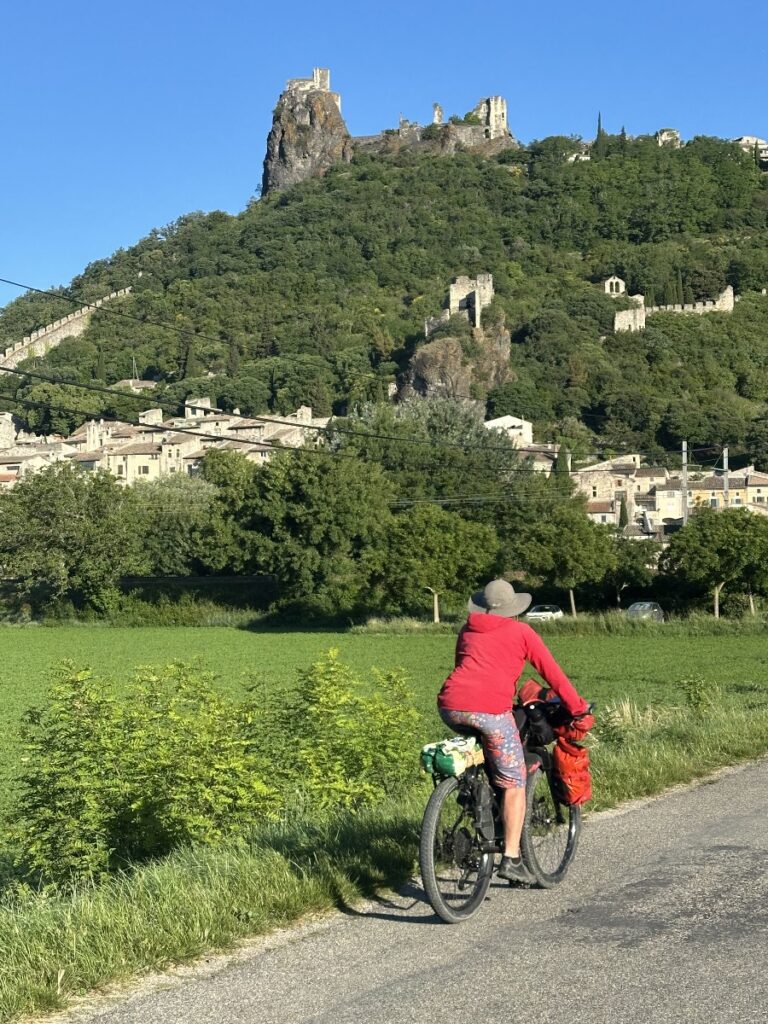
I have provided no picture of rubbish bins or toilets because they aren’t what is generally considered beautiful things to view, as opposed to the old buildings in Built Beauty. On built beauty, my further thoughts this week have been how much we like fortifications. This is likely because fortifications are built for strength therefore are more likely to stand the test of time. However, the net result is humans worshipping a lot of monuments to war – an interesting commentary. Of course the other likely contender for survival are religious buildings which are another testament to human’s predisposition to prefer those who are in the ‘club’ and dislike the ‘others’ who are outside the ‘club’.
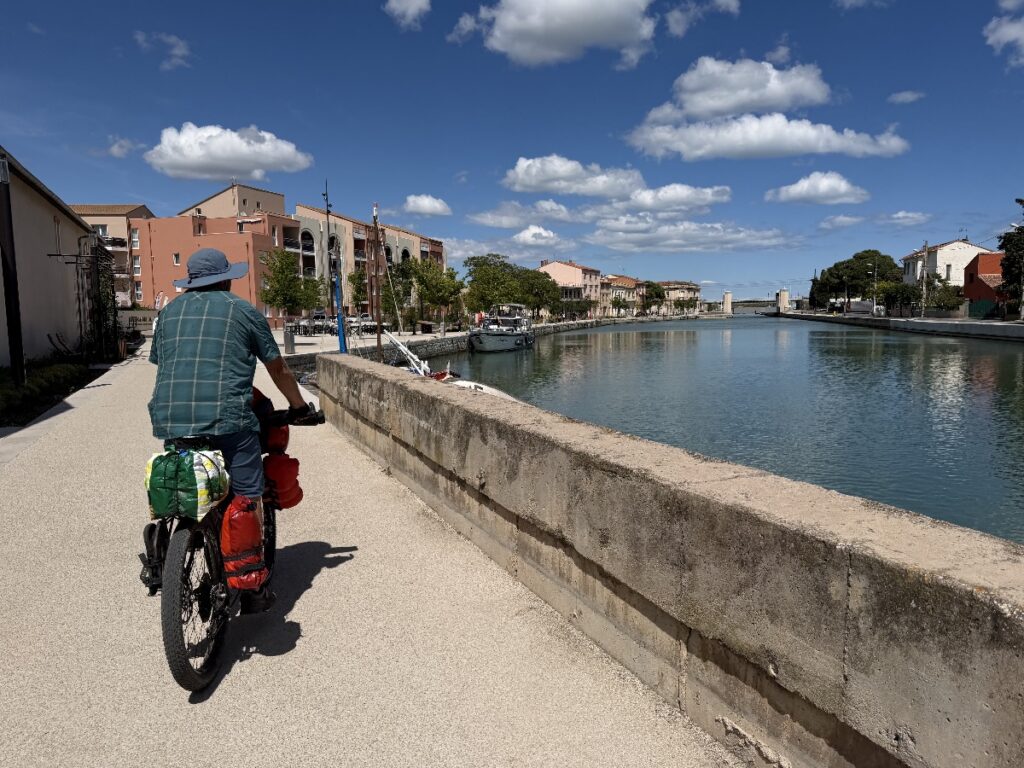
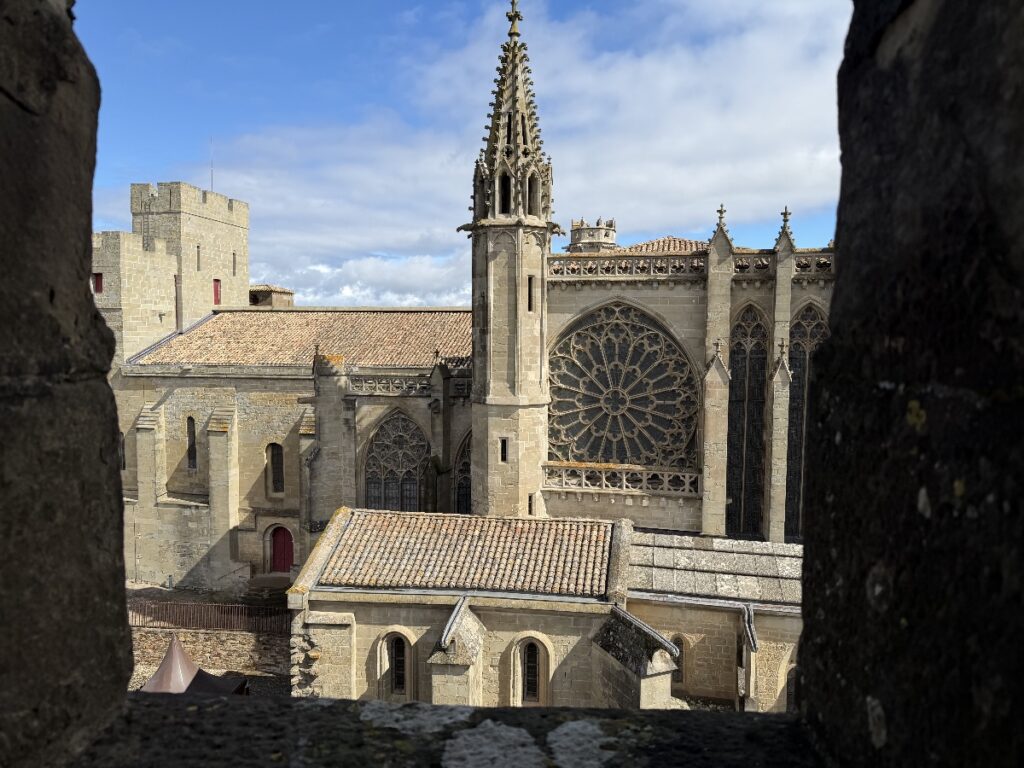
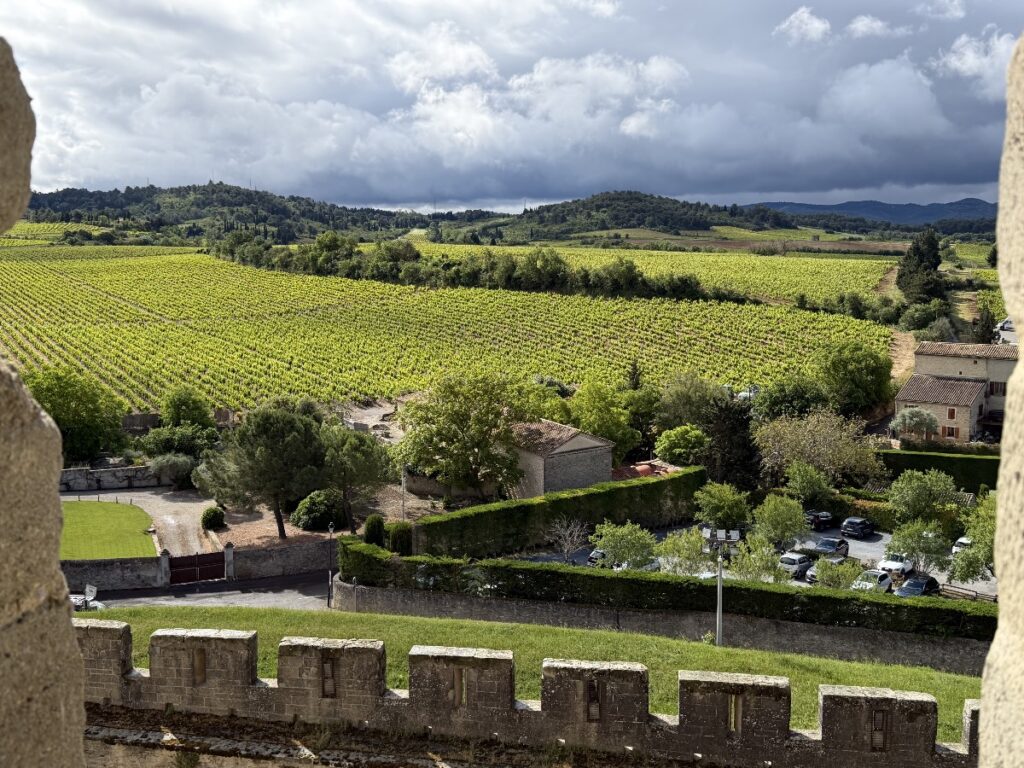
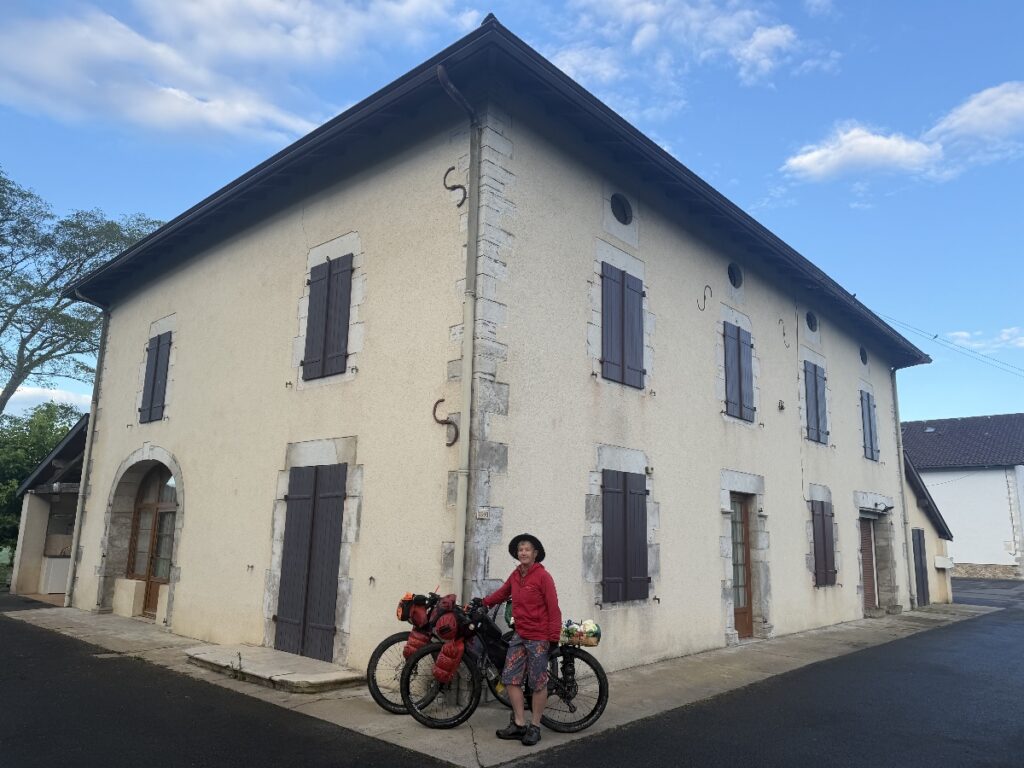
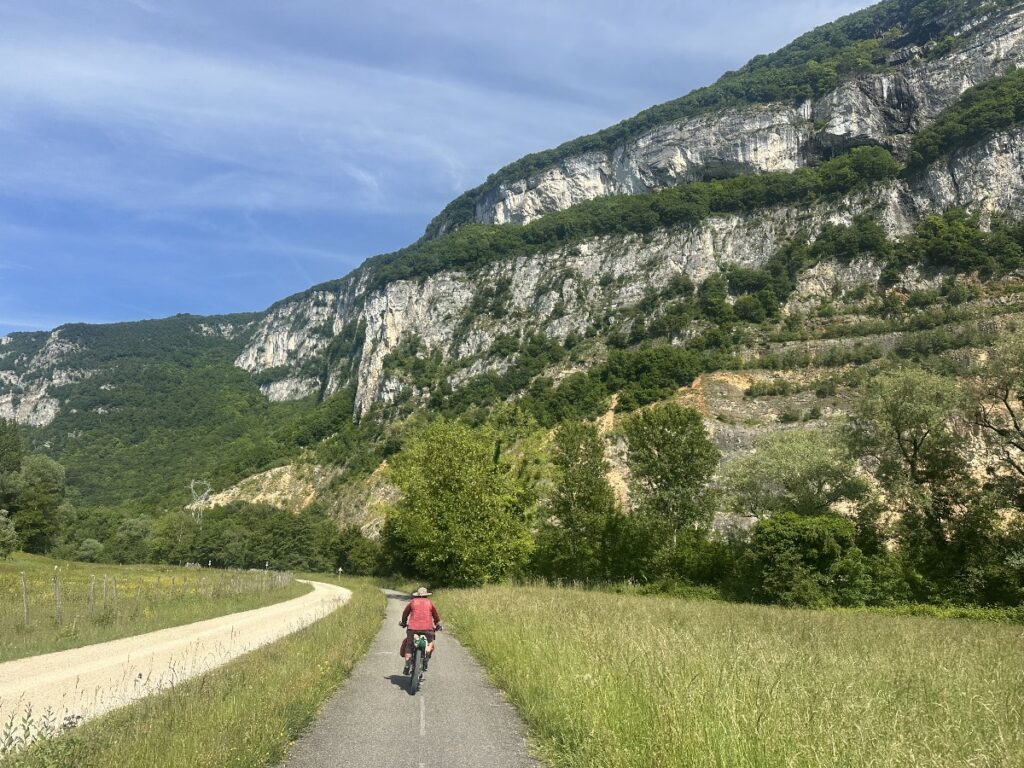
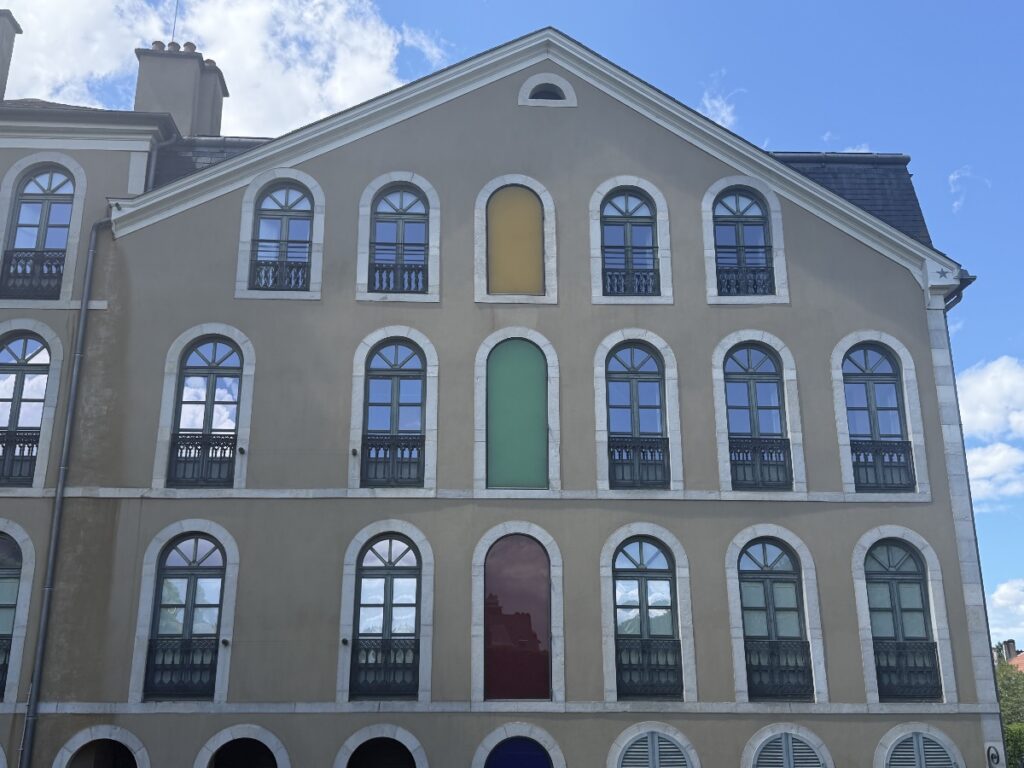
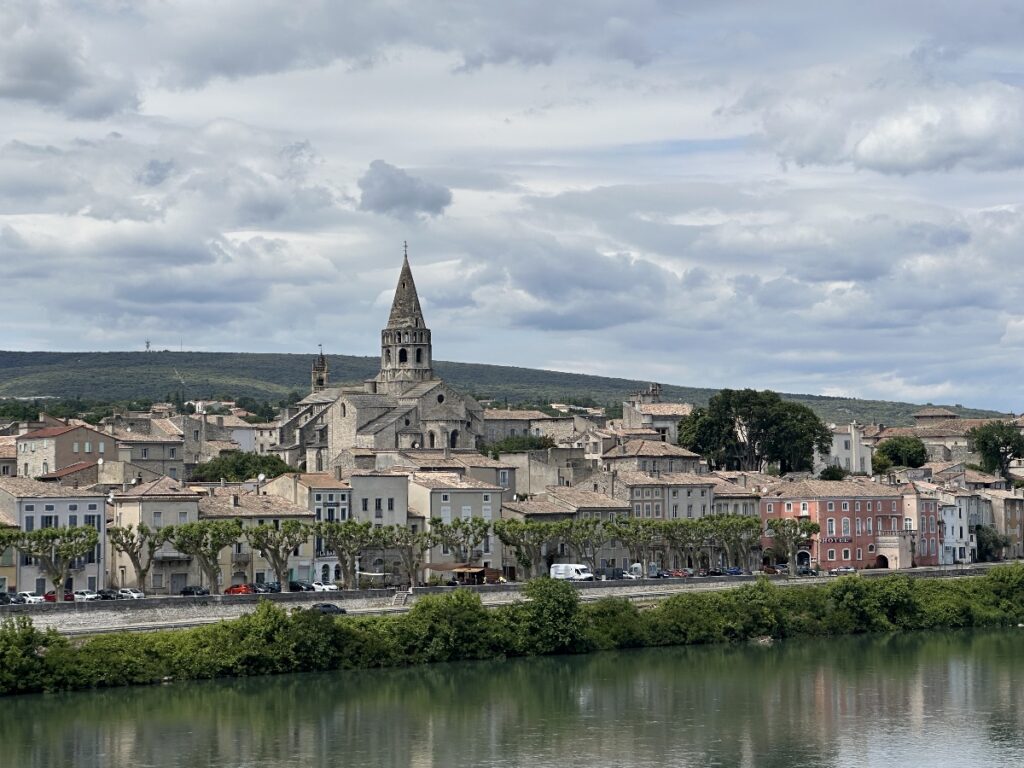
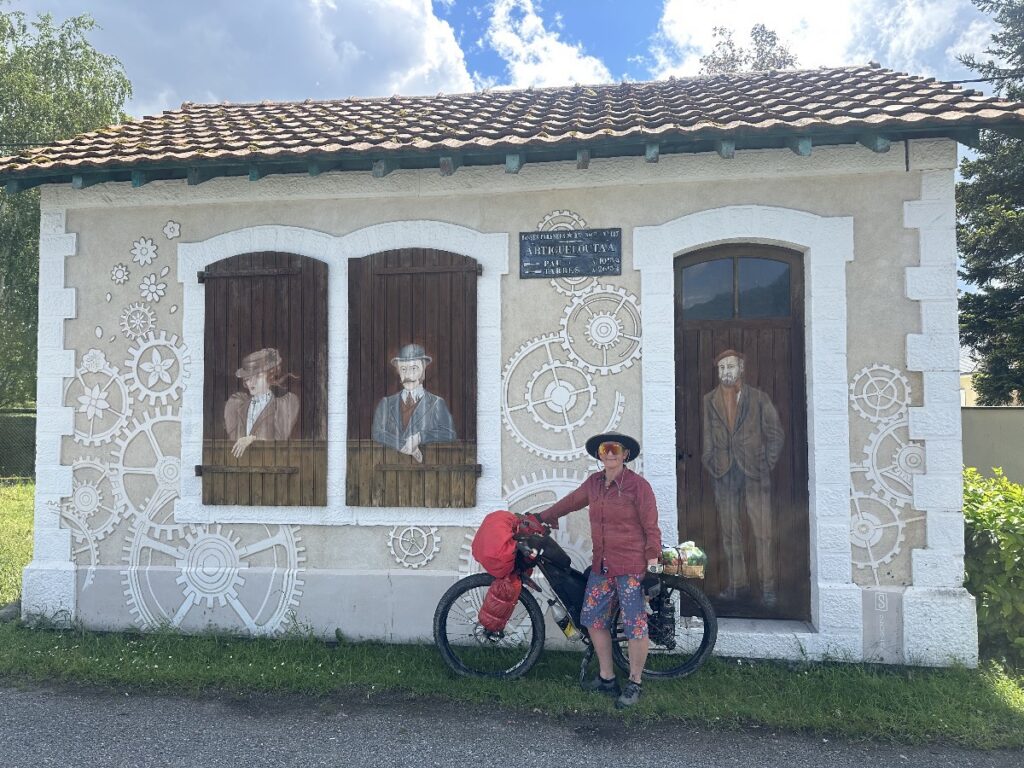
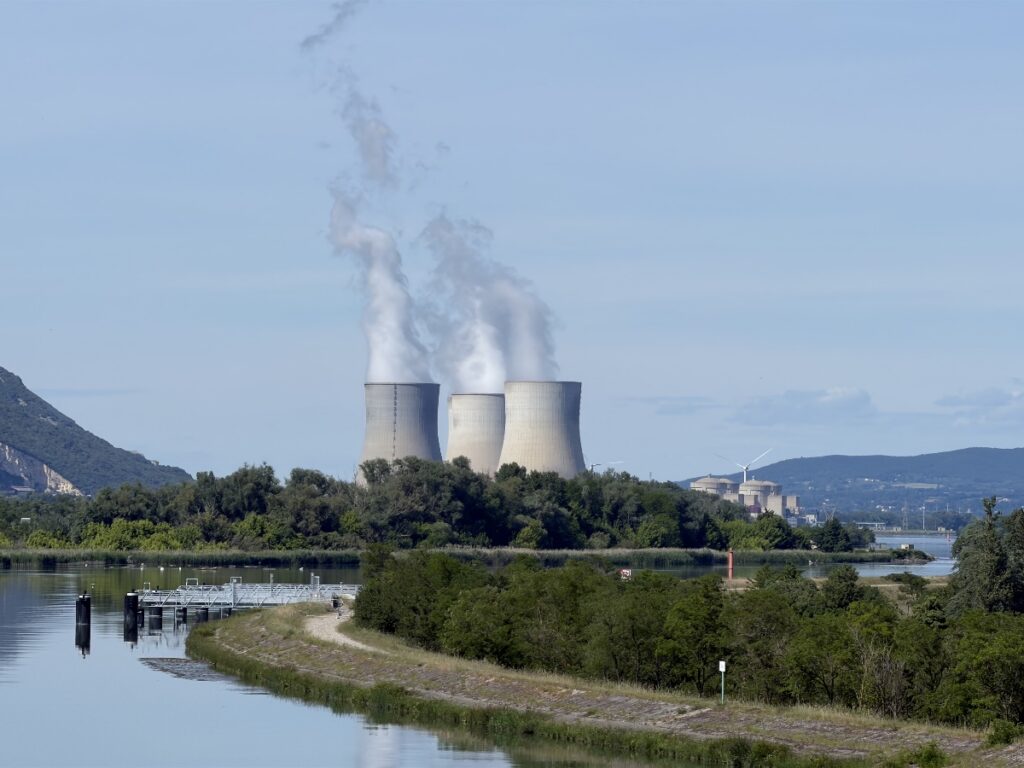
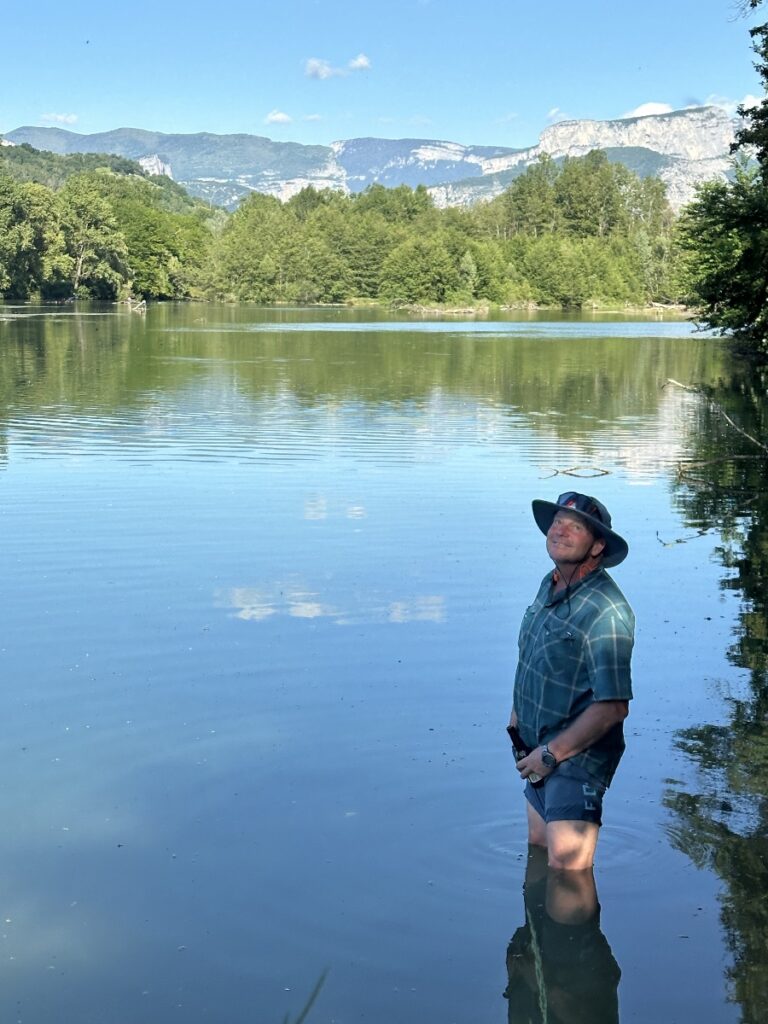
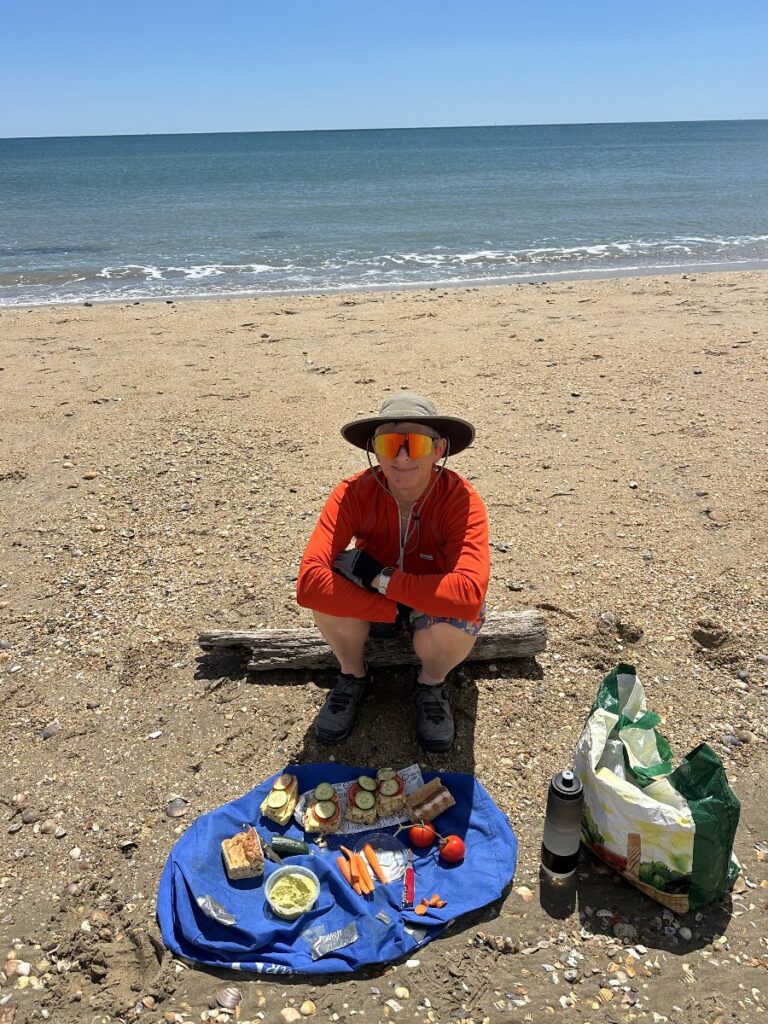
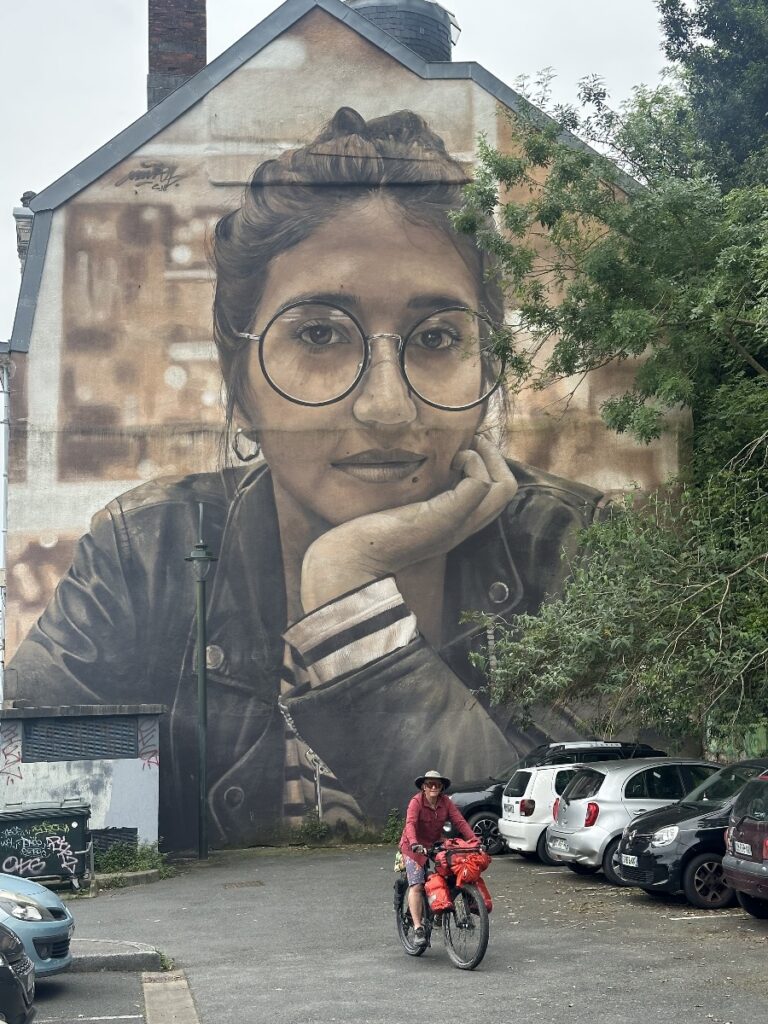
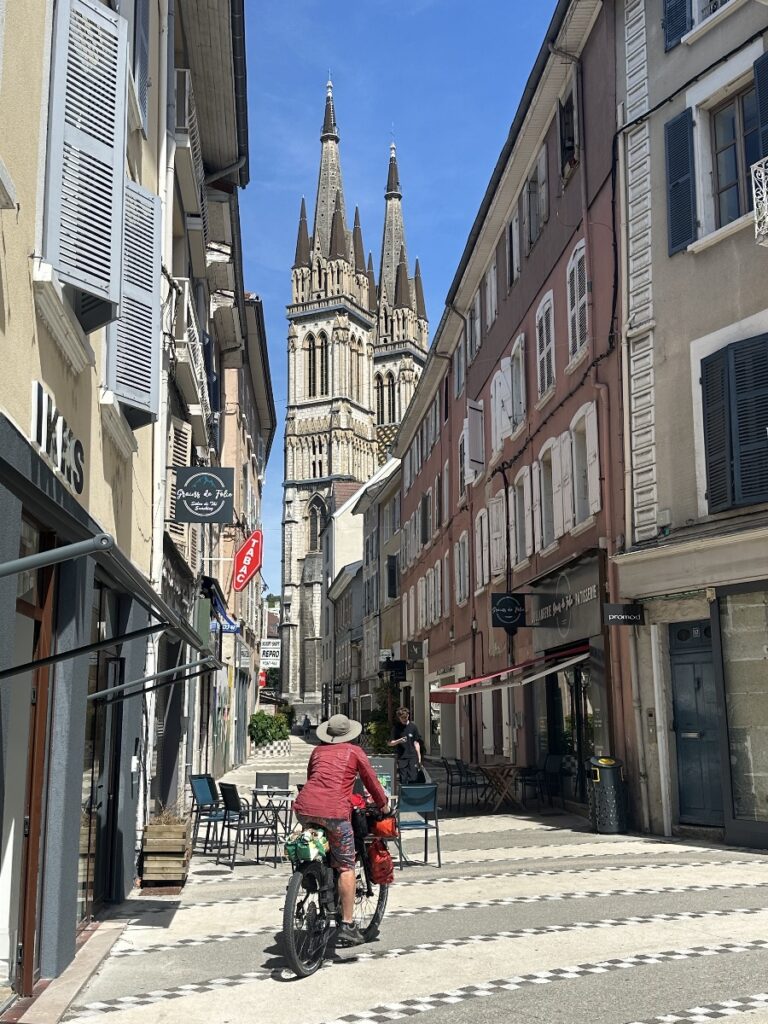
A few pictures of cycle touring in France. Now we know why people like cycling here. The sky is mostly blue. The land is mostly pretty with trees and cliffs and mountains and rivers and sea. The villages have lots of pretty old buildings. The boulangerie are full of yummy baguettes and croissants and pain au chocolates and pain au raisins… Why didn’t we come here before?
But back to rubbish bins and toilets, I wrote about these in Japan – The Japanese Rubbish Mystery and All About Toilets – because the toilets in Japan are impressive pieces of expensive technology and because rubbish bins are almost entirely lacking. Japanese see toilet provision as an essential public service while people should deal with their own rubbish.
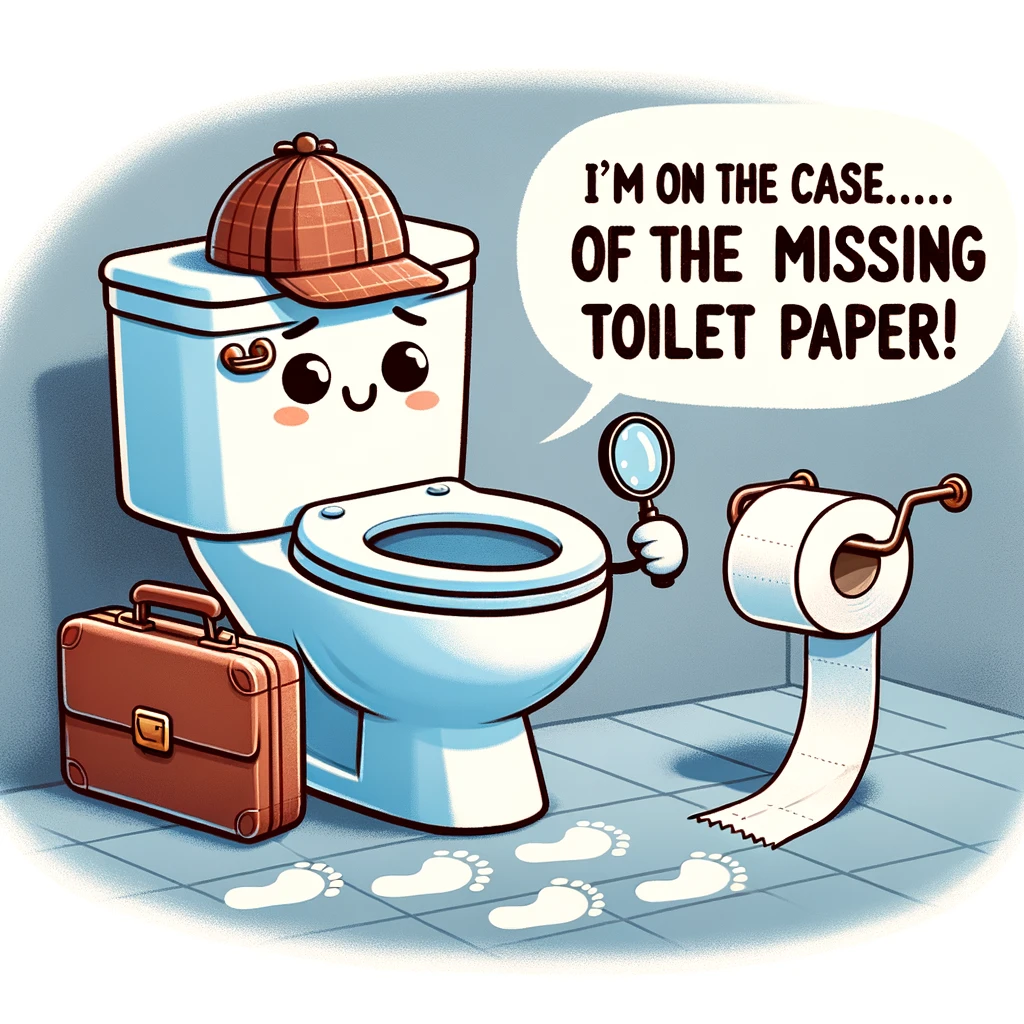
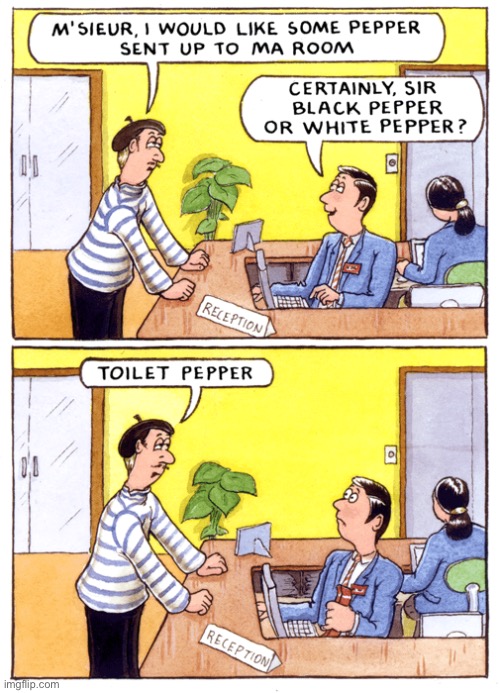
In contrast, in France there are large rubbish bins everywhere while toilets are few and far between. Even more significantly, when there are public toilets, they are often closed. If they are open, they generally are unpleasant. Most of them stink of urine; ‘pissoir’ seems an apt term. They are also likely have various bits of hygiene-related, but not hygienic, materials lying around. Public toilets do not appear to have cleaning schedules; there certainly aren’t any of those clipboards hanging on the wall containing a sheet detailing the time the toilets were last cleaned and by who. And, worst of all, most toilets don’t have toilet paper. You have to remember to carry your own. I guess it’s a bit like shopping bags – you get used to remembering to take your toilet paper when you go to a toilet. But really, is it that hard to supply toilet paper? Are they saving up in case of another epidemic?
If you want a decent toilet in France you go to a café or restaurant. This makes a reasonable amount of sense. Why should the local population at large pay for toilets for visitors? It seems reasonable for establishments to provide toilets when they are directly receiving revenue from the visitors.
Cultural norms, such as provision of rubbish facilities and toilets, are fascinating because they say something about the population which you can try and decipher. And because norms differ so much by country, reminding you that what you take for granted in your own country is not necessarily what the rest of the world expects. In New Zealand, local bodies are continually tasked with providing more public toilets and rubbish bins with the argument being tourists won’t come if these things are not provided. Neither Japan nor France support this argument. There is no lack of tourism – tourists don’ty appear deterred by the lack of rubbish bins in one place or the lack of toilets in the other.
For more pictures of our cycle ride from Santander to Zurich, have a look at our TrackMyTour map. Our route has been designed to visit friends rather than take in the most impressive or famous highlights. It’s also our training for our next leg from east Kazakhstan (Oskemen) to the Altai Mountains in western Mongolia. We expect to find a few more challenging cultural norms there which we will be linguistically much more challenged to decipher. Vive la difference!


Discover more from Jane Shearer
Subscribe to get the latest posts sent to your email.