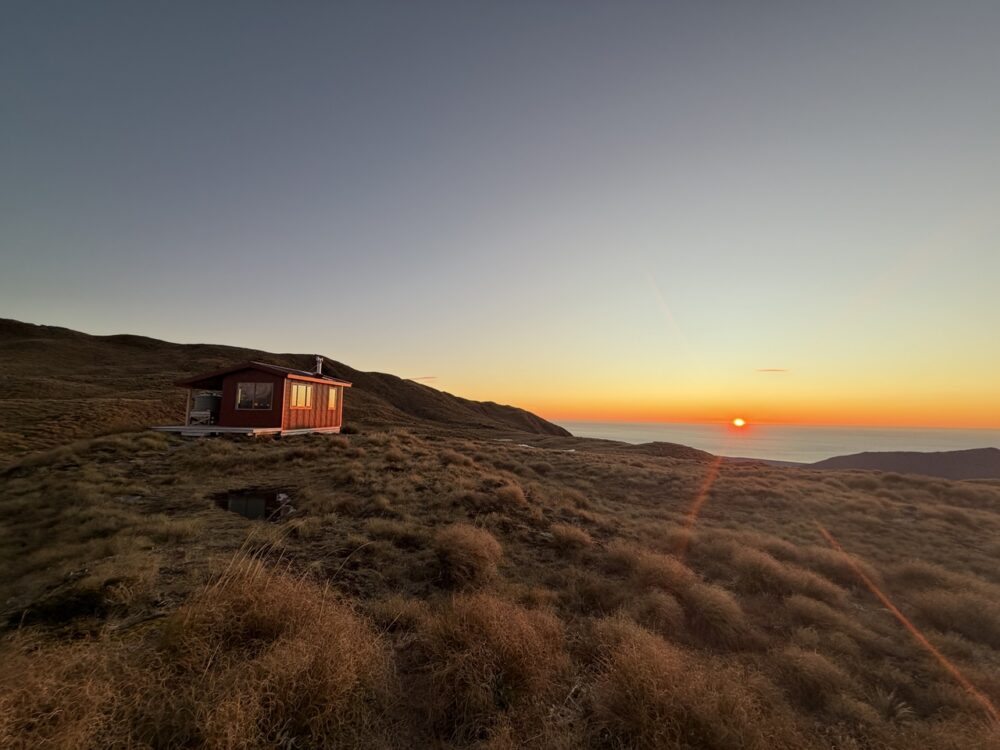
Sunset at Mataketake Hut
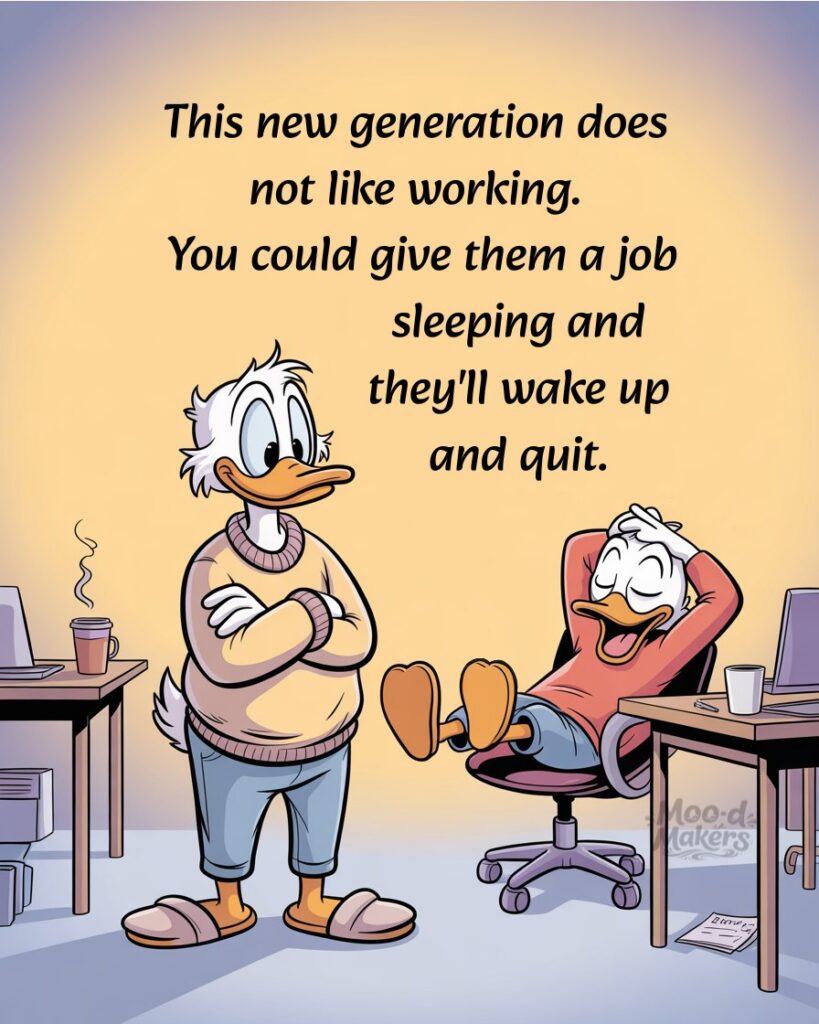
I read a recent post on Substack about disenfranchised young people smoking, with no interest in careers, and no worry about running up debt. Why care about a future that looks worse than today? Might as well enjoy the present…
I reacted initially to the smoking. Cigarettes aren’t just a lack of worry about tomorrow, they’re a FU to today (as the writer indeed says). And I’ve always hated the smell of cigarette smoke while I visualise the nicotine I don’t want in my lungs sneaking into my trachea. Why would anyone want to smoke even if they despair about the future? Cigarette smoking is the opposite of maxxing – two conflicting trends in the same age group. Maxxing is optimising yourself to the nth degree while cigarettes are deoptimising. Then there’s the confounding trend of GLP-1s which allow you to deoptimise yourself and optimise yourself at the same time.
The Substack writer’s thesis is the future looks grim, so youth are living in the moment. This also gave me pause…in my teens, the nuclear threat hung over the world and there appeared to be a high chance oil would run out before I got my driver’s license (‘Not fair!’, I thought). So why did I continue on a future-focused track, despite having runs of nightmares in which I sequentially dreamed of disasters including earthquakes, fires, floods, plagues of rats and nuclear holocaust. I also dreamed of the second coming of Christ, even though I didn’t and don’t believe in any gods. He arrived on the side lawn of my parents’ house with balloons. I don’t know what happened next.
My only explanation of holding to a standard career path was that I embedded the story I was told of the right way to live, which likely derived from the Protestant work ethic of diligence, discipline and frugality, in which my father believed. On the discipline and frugality front, Dad would suddenly choose something he should quit, like bacon and eggs for breakfast, or sugar in his tea, and stop overnight. He never quit smoking, though. I should note here, Dad also believed in contentment – enjoying life in a quiet way because you can’t be happy all the time, but you can be content.
So I headed along the standard education then career path with a slight deviation in my early twenties to travel for three years. Although that wasn’t really a deviation in the 1980s, it was what everyone did. I spent 3 years travelling and working in Canada, the UK and Austria, and came back with more money than I left with. I returned to the career track with added vigour having discovered working on ski fields and waitressing weren’t long term fulfilling. Then I had another slight deviation in my thirties when I became self-employed – the best work choice I ever made. However, self-employment is still not very different from a standard life path.
Following the normal career path rather than embracing the young moment was a strange choice of mine given I always ate the small piece of toast first. I’ll unpack that. If I was eating toast, or cake, I would divide it in half. and deliberately cut it unequally. I would then eat the small piece first because I thought the second half always seemed to go by quicker – if you eat the large piece second both pieces feel like they last as long. I figured life would be like that, too, and picked 45 as my mid-point…I think I was so busy at 45, I didn’t watch it slide by.
However, my self-employment accidentally set me on a do-it-now path which I embraced. Self-employment meant I could go for a bike ride in the middle of the day. Or travel overseas with my laptop and enjoy working (I really do enjoy my work) while bikepacking. This era of constant communication has been wonderful, while also being awful. It has allowed me to do everything at once while not allowing me to switch off the everything. I completely understand the part of the Substack post where the writer says young people are letting their phones die because they’ve figured out cell phones are the antithesis of freedom. In fact, I feel sorry for today’s young people because they now have to work at being free, where we travelled overseas for years and called home at Christmas and on our birthdays. Maybe I should apply that ‘sorry’ to myself more rigorously rather than through very sporadic switching off of comms while in Mongolia?
While I was still thinking about the Substack post, a British cycle tourist came to stay with us at pa harakeke. He is an exemplar of the generation the post refers to. He is near the end of a two year round-the-world cycle tour and wondering what to do next. He’s keen to go home and see family but the United Kingdom holds little appeal for him. “How can I live any way other than perpetual struggle?” he says.
The cycle tourist is a project manager so earns a reasonable salary but it’s not enough for him to rent a place to live on his own, which is what he’d rather do aged 31. It’s definitely not enough to buy a house with, given houses are 8-9 times his annual income, compared with his parents who bought a house costing only 4x their income. “Then, a truck driver and a nurse looking after her children could buy a house, but I can’t?” he said.
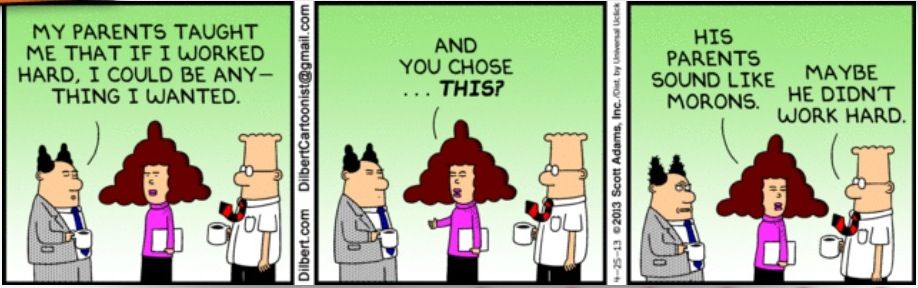
The story of ‘Work hard and you will be rewarded’ (although you’ll likely have to wait for retirement for your reward), doesn’t appear true to today’s young people. There’s no reward visible at the end of the cycle tourist’s tunnel, with climate change, energy poverty, and societal unrest clouding the view. Who would want to switch from the freedom of travelling the world to drive to work in an office every day while looking forward to the next Bank Holiday weekend?
The cycle tourist hasn’t solved his conundrum. He can’t travel indefinitely without earning some money. Maybe he’ll go work in Australia where his sister lives and see if things are better there. Although I surmise he already knows it’s not much different except probably sunnier. I don’t know what the answer to his dilemma is. And if the young me was in today’s scenario? I’d probably have continued on with my original story of working hard because I wouldn’t have known what else to do. Though I’d also likely have had a lot more nightmares.
Discover more from Jane Shearer
Subscribe to get the latest posts sent to your email.