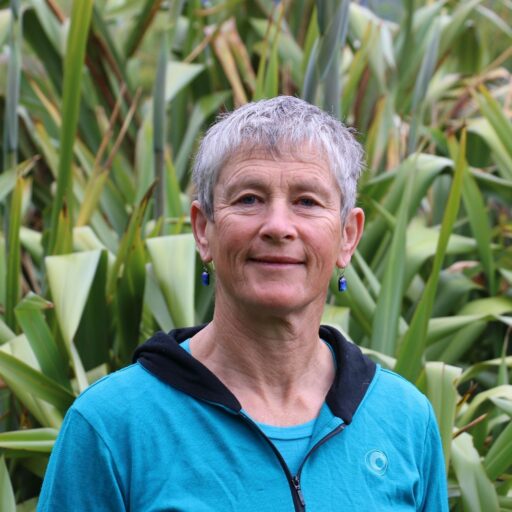
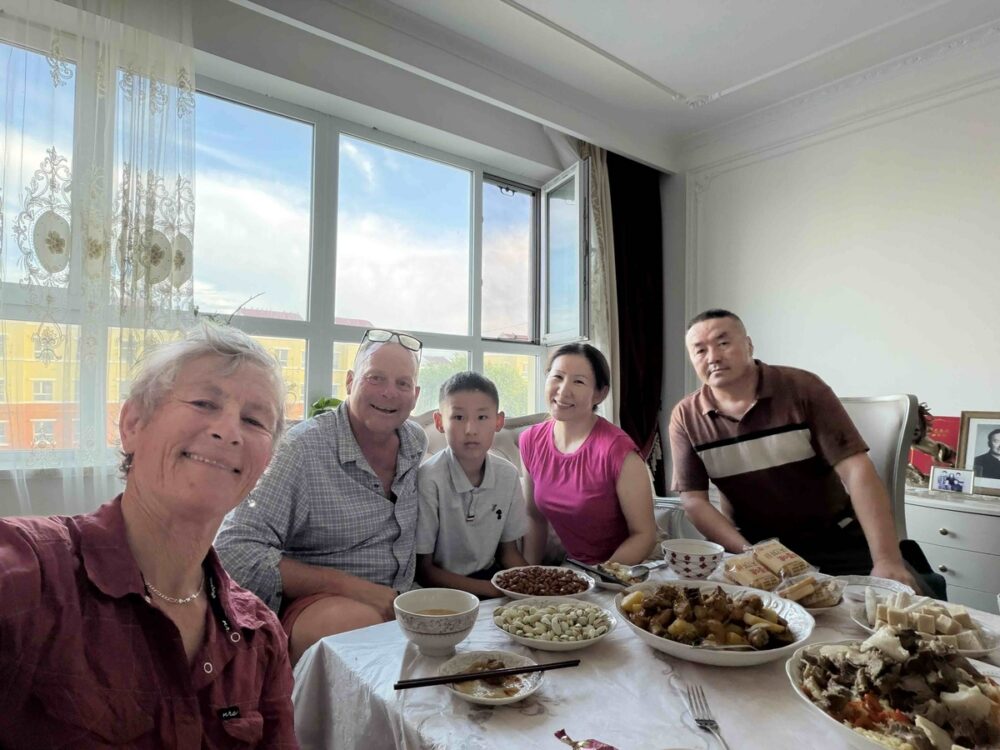
Jane and Chris and Lan’s for dinner in Jeminay
We were invited to dinner in Jeminay, Xinjiang in the far northwest of China. Somewhere I’d never heard of before I tried to figure out how to cross from east Kazakhstan to western Mongolia so I don’t blame you if you haven’t heard of Jeminay either.
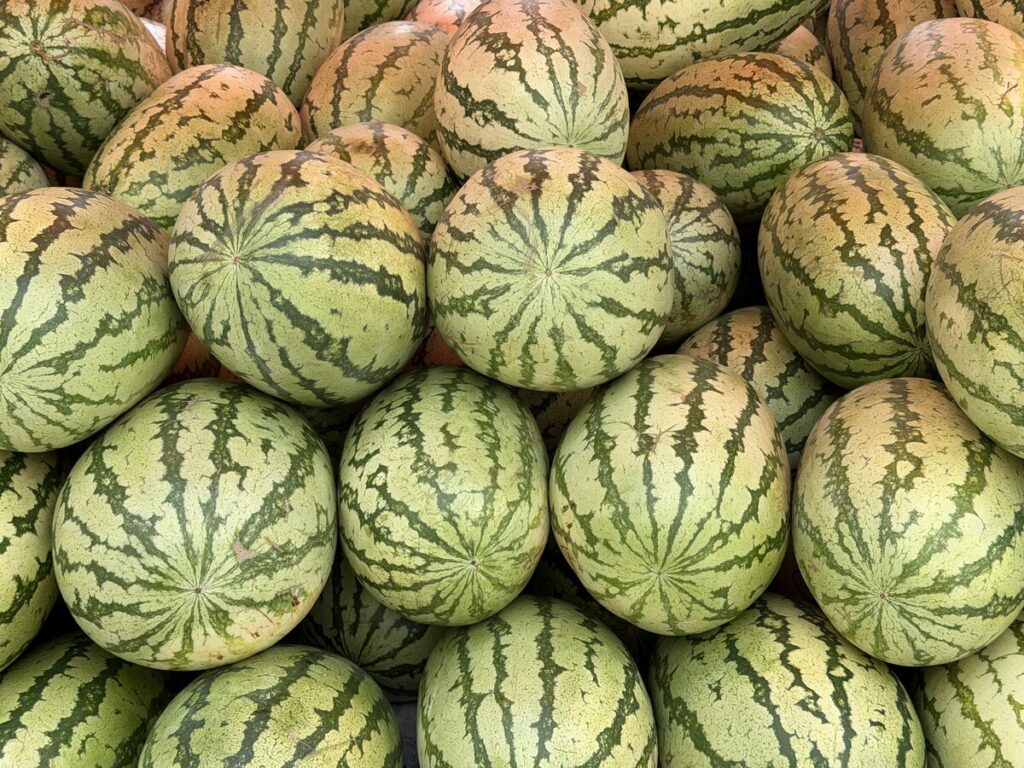
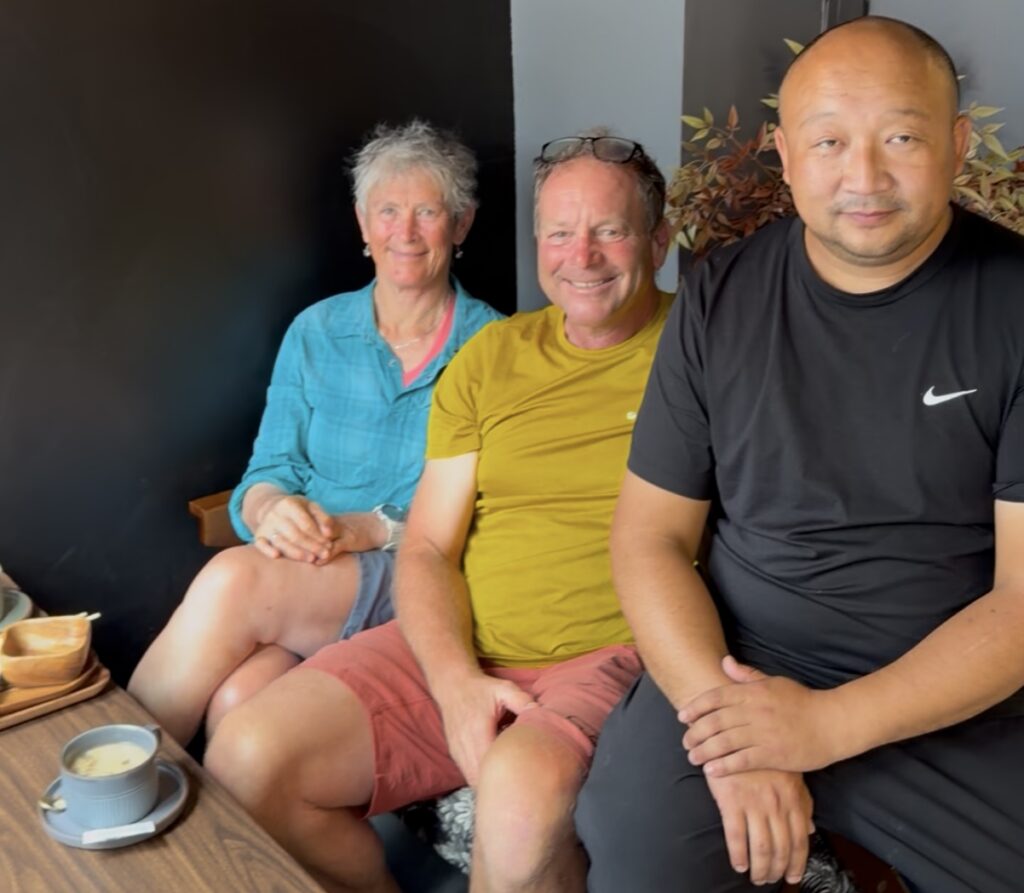
Our invitation was a series of happenstances. We found a ‘favourite’ cafe in Jeminay for both coffee and food. The cafe manager filmed a couple of videos, one in Mandarin and one in Kazakh (Jeminay is the dominantly Kazakh part of Xinjiang which was originally a place where nomadic Kazakhs, Uyghur, Kyrgyz and Mongols roamed). She filmed videos of us having coffee and also dinner. After we ate dinner the cafe manager gave us a big plate of watermelon on the house. The watermelon here are huge and beautiful.
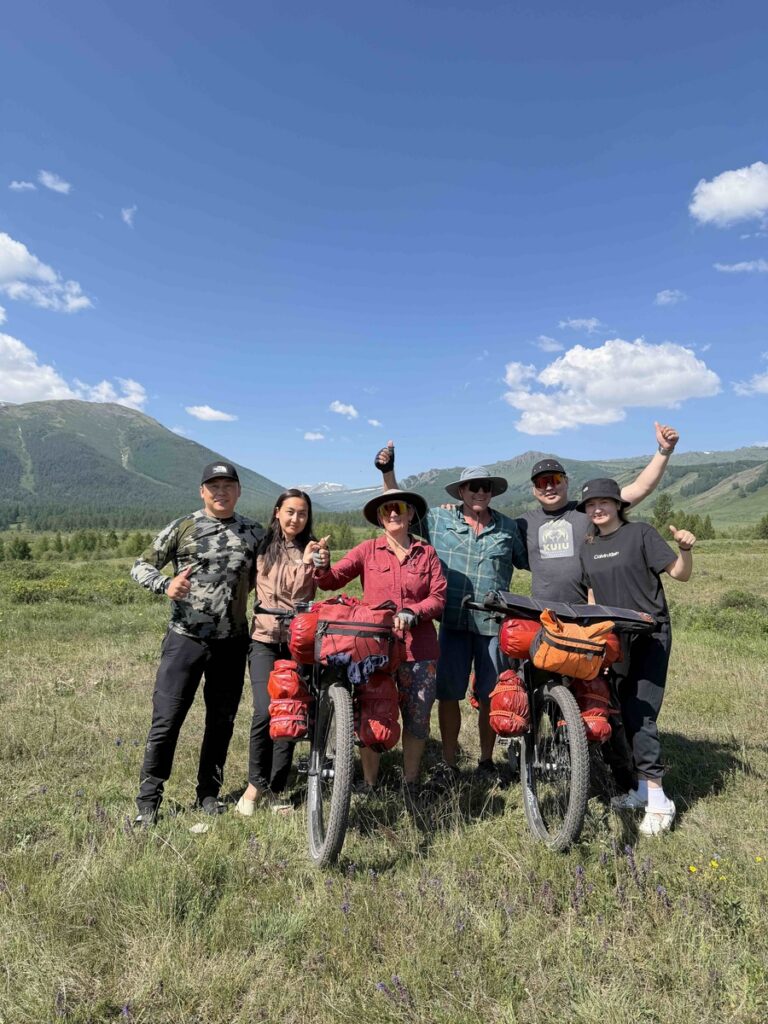
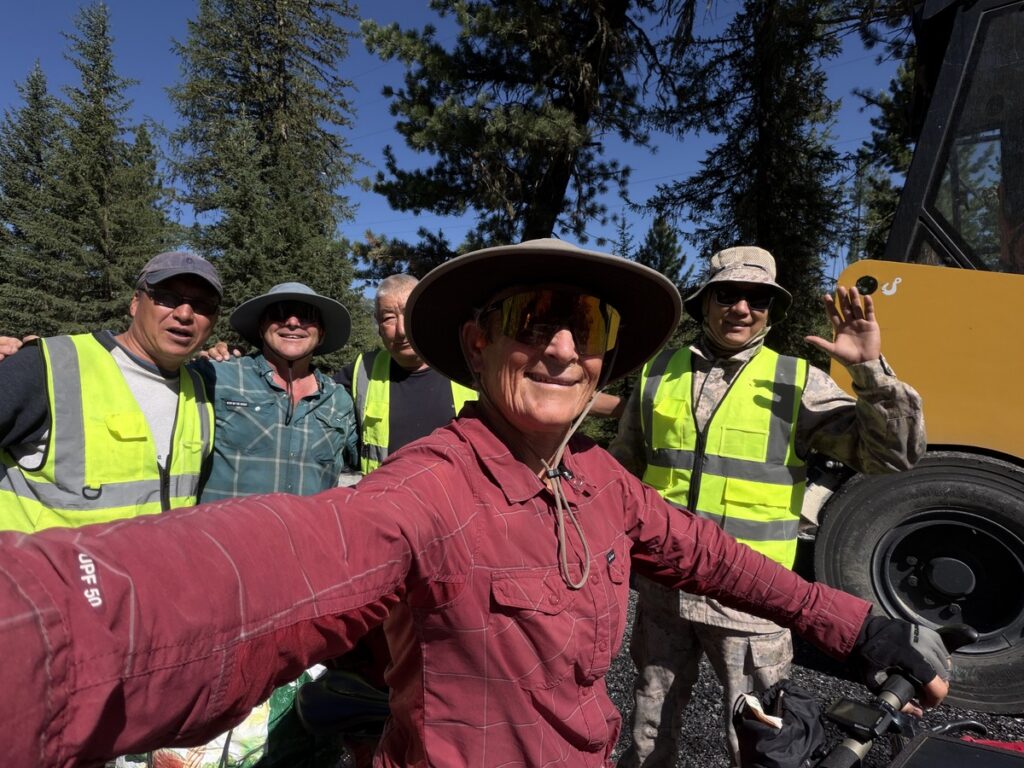
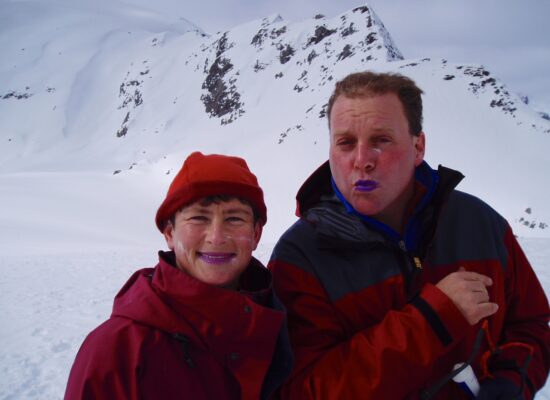
We’ve only been in Xinjiang for two days, the previous two weeks we were cycling in East Kazakstan. I lost track of the food we were given there. A notable pile was when we met a Kazakh family (pictured above) on the Old Austrian Road, just before a bridge we didn’t know whether we could cross. They gave us ChocoPies (something like a mallowpuff which can survive 40C without shedding a drop of chocolate; when you find ChocoPies taste great, you know you are hungry), 3 cucumbers, a tomato, a packet of teabags, BigBon instant noodles, 1.5 litres of sparkling water, and 1.5 litres of Coke. We shoved all the food and drink into our bags and onto our racks and headed towards the bridge, which turned out to be recently constructed, eminently crossable and wiped one item off our list of things to worry about.
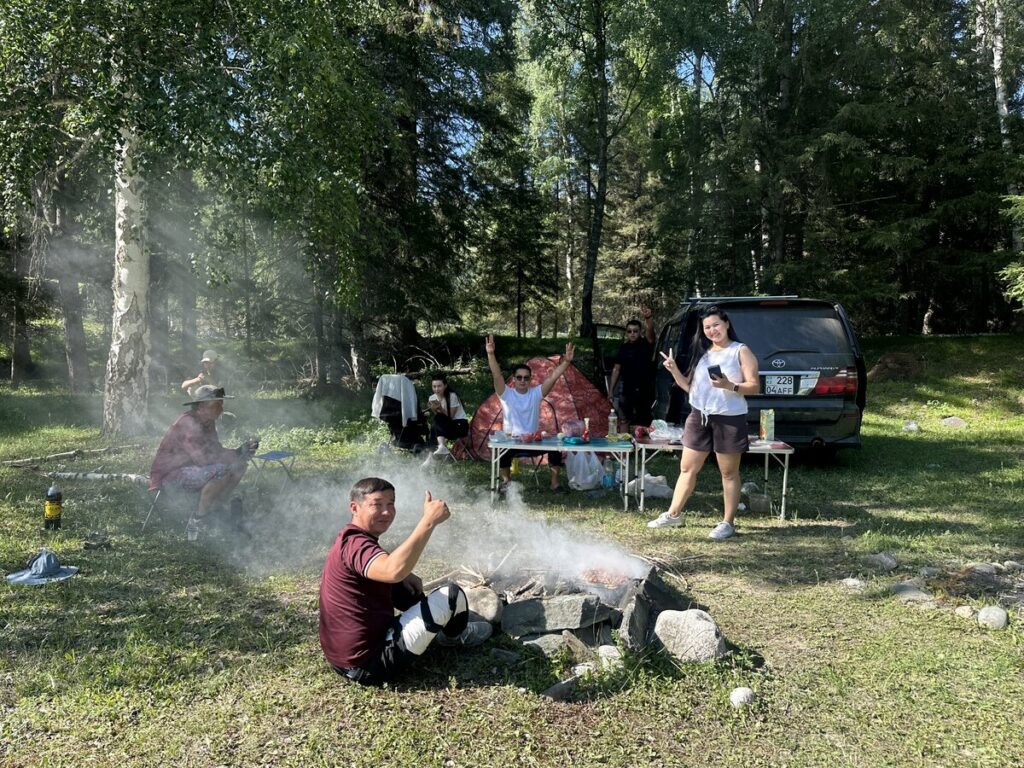
We’ve been gifted many other food items and had countless people pull over on the road and ask if we are okay (very occasionally we are sure they asked that because they asked in English, mostly we think they asked that because a thumbs up and a grin was the right response). We’ve been invited to a BBQ on the side of the river when we were searching for a place to camp. The reaction of people here, and in countless other countries we have cycled through, is mostly kind and generous. Like our invitation to dinner. We discovered the manager posted her promo videos because when we went to the cafe the following morning after the video shoot, Lan (our host) came in and told us she’d seen us on the internet and asked would we like to come to dinner?
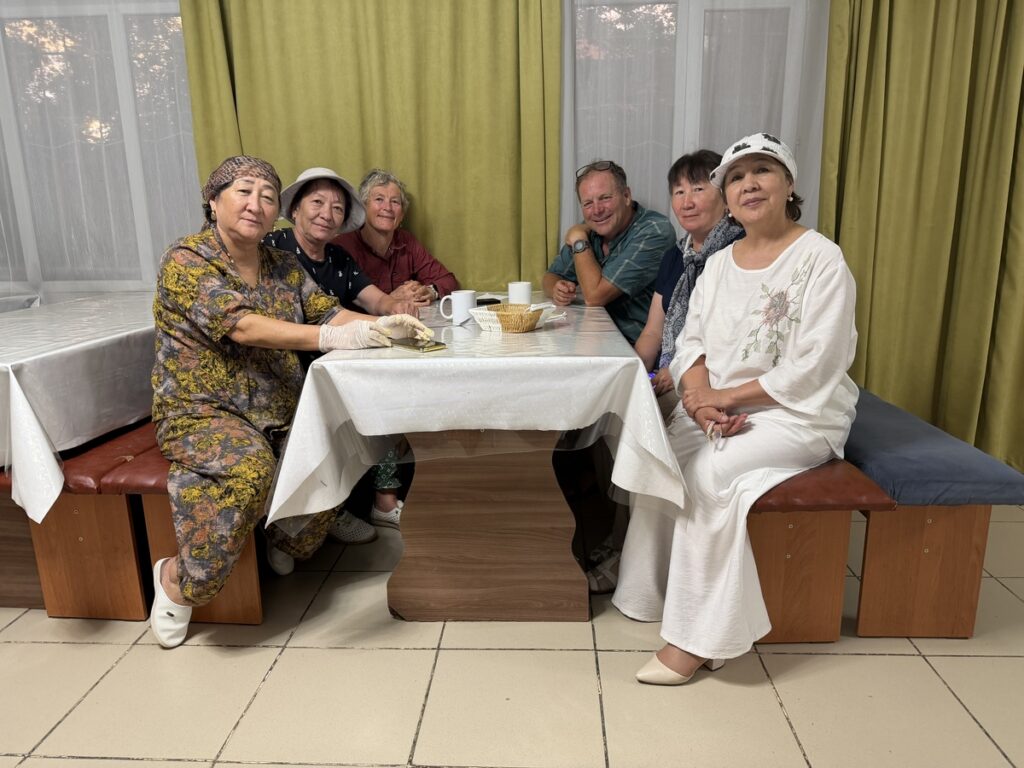
We had a very nice two hours with Lan, her husband and her 10-year old football-obsessed son. Sadly we couldn’t say too much exciting about NZ football playing given our FIFA scores. Lan had somehow cooked and prepared a whole lot of food in between finishing work and our arrival. In Xinjiang people work 10am-2pm and 4-8pm because they are on Beijing time (the whole of China is on Beijing time) but it doesn’t make much sense because Xinjiang is so far west.
Lan made us a beautiful meal including pilaf with carrot and mutton from fat-bottomed sheep. As her husband cut the meat into the pilaf he explained how the fat is for the honoured guests. We are the second lot of English-speaking guests they have had in their house. Years ago her husband had an Australian colleague in his engineering work. Lan works at the provincial TV station in Jeminay port and maintains the equipment.
There was a dish of chicken with potato, roast almonds, walnuts, pine nuts, pistachios in their shells, peanuts, long black dried fruit that tasted like sultanas, Kazakh cheese which was dried, curd, star-shaped biscuits Lan had made. Lan’s husband asked if we didn’t eat much or they ate a lot. “Four Kazakhs at a table means all the food will be eaten,” he said. And, “Kazakhs eat the most meat of anyone, followed by wolves.”
We had to admit to this being our second dinner because we hadn’t been sure it was all going to happen and we were aiming to go to bed early to cycle early as temperatures are climbing into the thirties. Chris ate valiantly, Jane less impressively (when you are mostly vegetarian sheep-fat is one step too far except in extremis). We drank a lot of salty tea with fatty milk in globules on the top.
It was both nice and interesting to be invited into a home. Despite our cycling intentions, we didn’t leave until after 10pm, laden with a scarf for Jane, biscuits and curds for our journey. Yet another example of kindness to random cycle tourists.
I developed a deep belief in people’s kindness and generosity after hitchhiking in New Zealand and internationally, including across Canada (and I wrote about kindness in early COVID times when it was our Prime Minister’s catchphrase). People would buy me lunch, buy me dinner, try to give me money to buy dinner, take me off route to see their favourite waterfall. In my early twenties a hunter took me to his parents’ house to stay the night before returning and taking me to the main road to hitch home in the morning (I assume because there’s far too much to misconstrue in a a thirty-year old taking a twenty-year old hitchiker home). His parents were most welcoming and fed me dinner and breakfast.
Obviously, the not kind people didn’t pick me up so my hitchhiking sample is biased. As is our cycling sample. But it is striking how many people react to us as people they see as vulnerable by offering assistance. Everywhere.
But, you might say, look at what’s happening in Lebanon. In Gaza. In the Ukraine. In America as ICE troops storm houses and terrorise cities to catch and imprison ‘illegal immigrants’. And I wouldn’t argue. People’s acts are not uniformly kind. History proves that repeatedly.
However, based on my empirical experience, I offer the suggestion, humans are intrinsically kind (I know this has long been debated by philosophers who argue that humans are good, evil and variants of inbetween) but our societies lead us to be unkind.
Isn’t that strange? Isn’t the point of societies to unite people so they can better survive together? That is indeed the purpose of societies but the effect is societies also unite against other societies. If there is a struggle for resources, humans group together in the battle rather than acting as individuals. Evolution in humans (and many animals) is as much a social behavioural process as an individual physiological one (that’s where the models of humans as good or evil on the basis of evolution can fall down…when the model is stuck at the level of single physical organisms).
So many of the behaviours humans indulge in which are unkind to others stem from their carrying out instructions (whether direct or implied) from the social group in which they are operating. That might be a clique of school girls deciding a particular girl is ‘out’ because of how she looks (the group are deliberately cruel to the stigmatised individual). It might be a social welfare process that diminishes the people who are asking for help (the person behind the counter is unkind to the person in front). Or that might be a country going to war with another country for reasons the citizens don’t agree with but which they have little power to question (citizens of one country injure and kill those of another).
I believe unkindness, and much injustice in our societies, isn’t innate. It comes from values conflicts, when societies promote values other than kindness above our intrinsic reaction which is to help others in need. And the need to belong to a society (a workplace, a club, a country) to survive overwhelms peoples instincts.
I’m not going to be able to prove this one and I haven’t yet found anything on the internet that backs me up (please tell if you do) but the logic feels right. And, because I’m human, I’m going to keep on mentally stacking up my confirmation-biased experiences of all the kind people out there in the world.
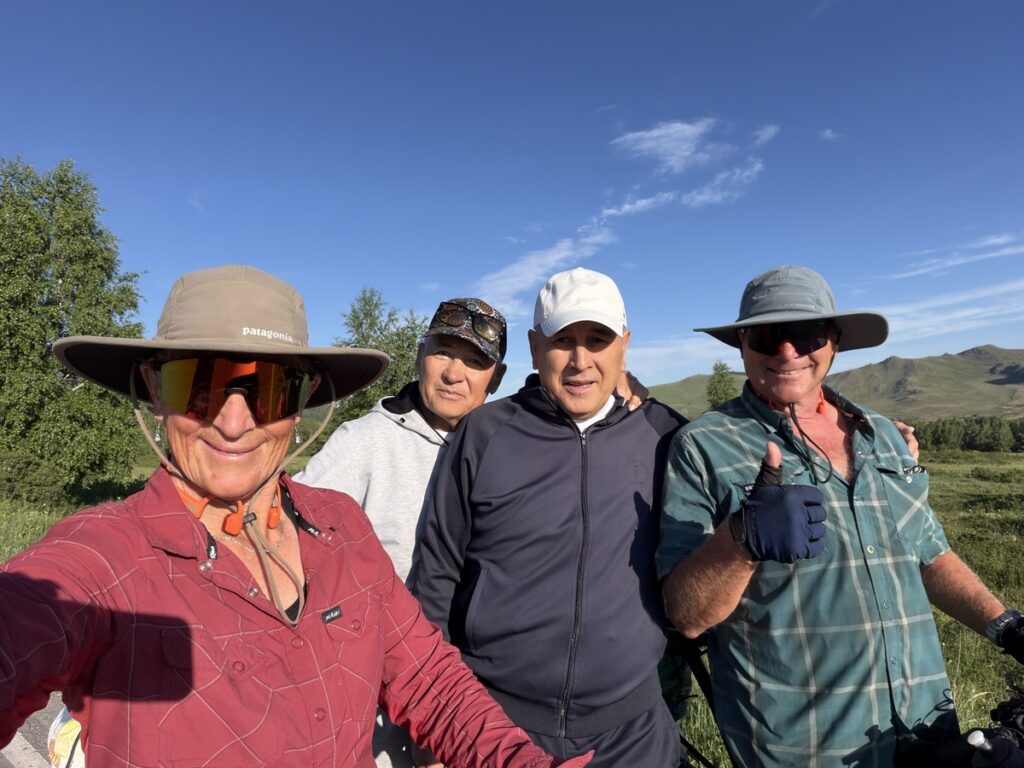
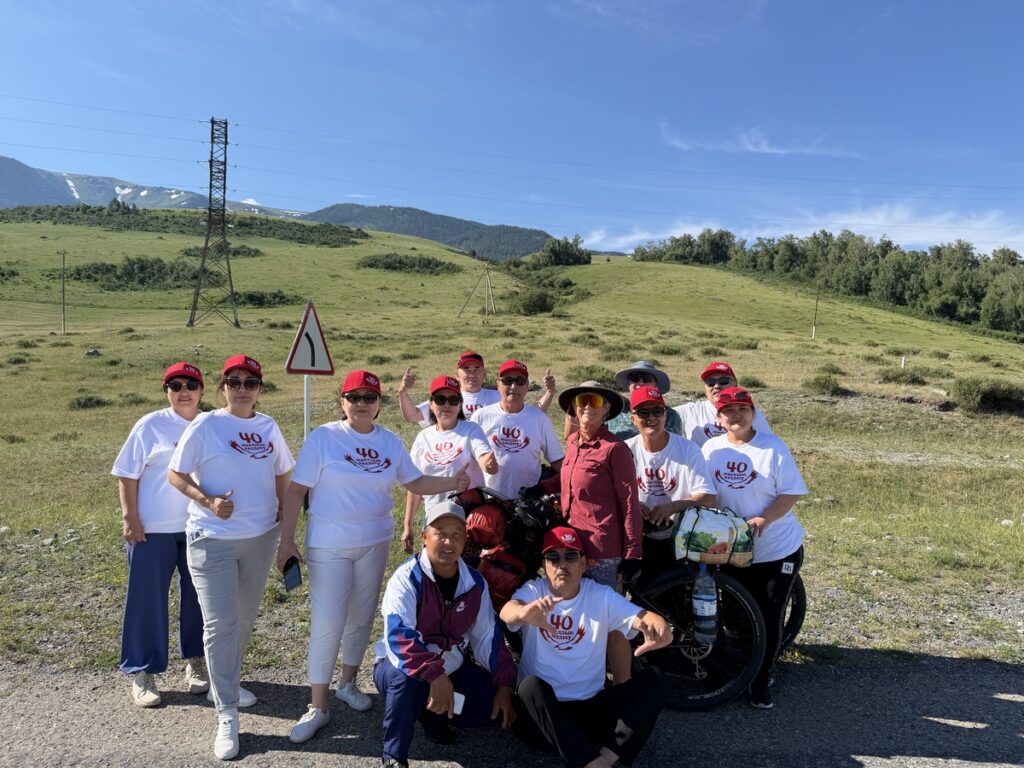
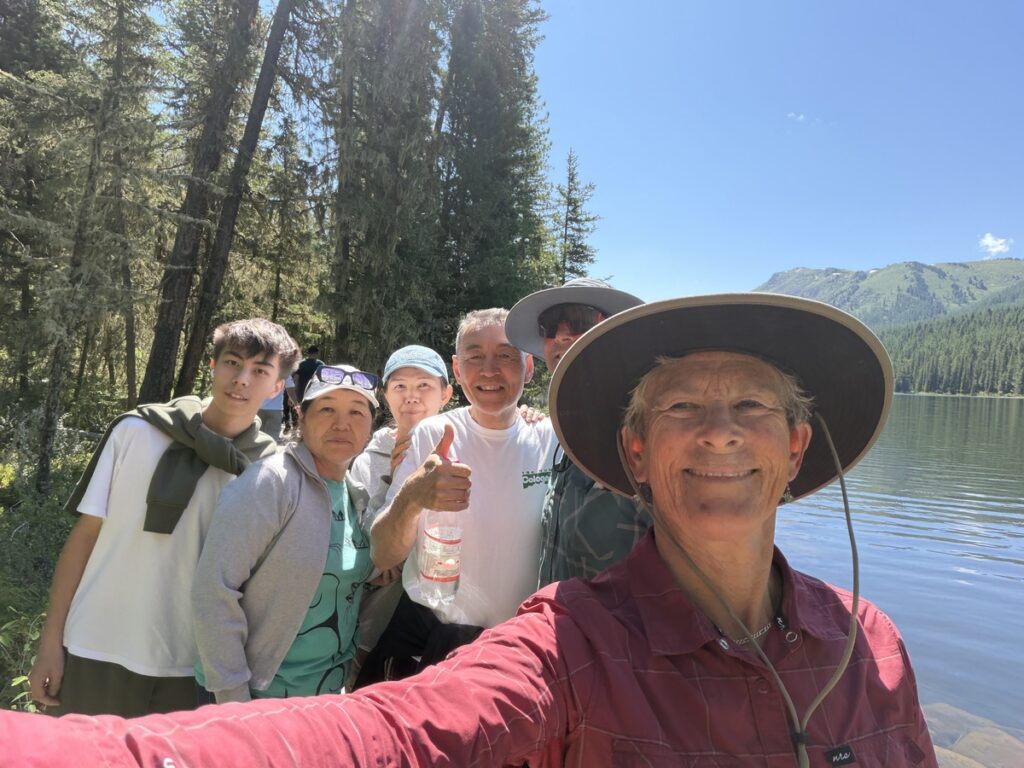
Some of the kind people we have met on this trip (here’s our route).
Discover more from Jane Shearer
Subscribe to get the latest posts sent to your email.
One thought on “People are kind”
I agree that people are intrinsically kind.